Hi everyone! Welcome to my time in Costa Rica! I originally was not planning to come to Costa Rica. However, after I attended the 2022 IV Congreso Virtual Internacional Cerebro y Alzheimer en el Siglo XXI I met people working in the Blue Zone. I spoke to Jorge Vindas, president of the Asociación Península de Nicoya Zona Azul and we had a Zoom call to arrange my visit. Below you will find some of my reflections from my time in Costa Rica.
Nicoya Peninsula, CR Reflections
Countryside Visit Adaption
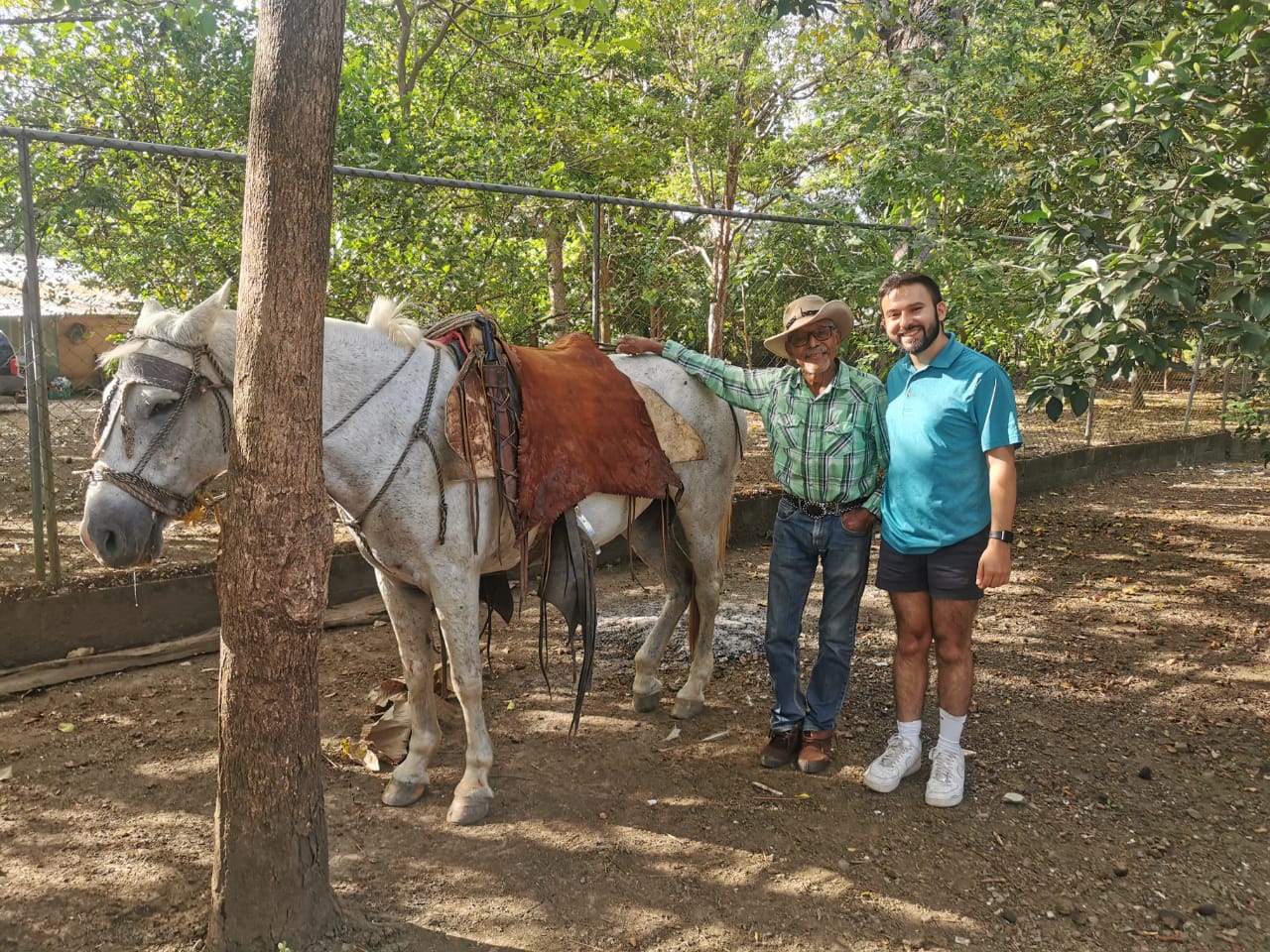
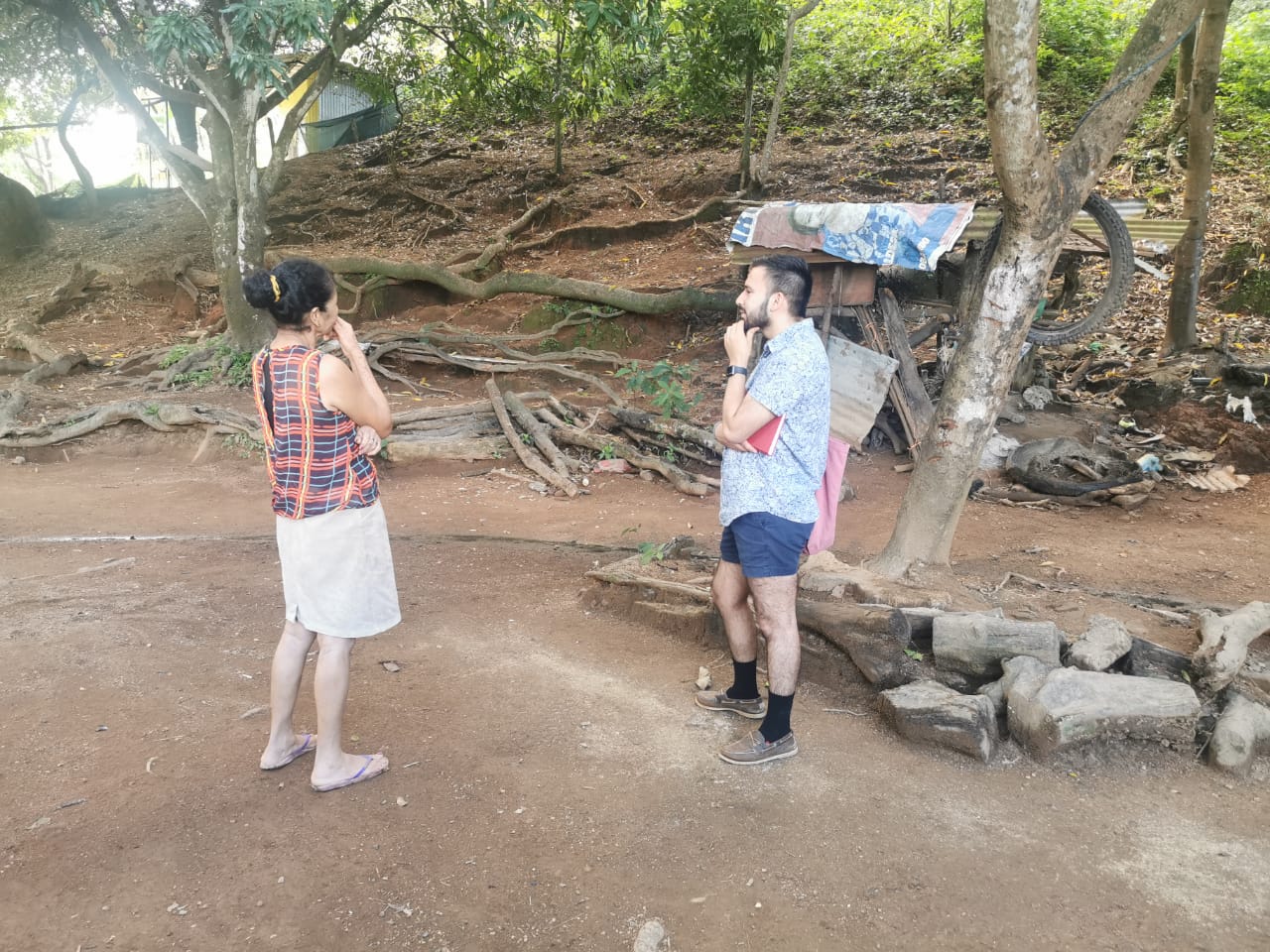
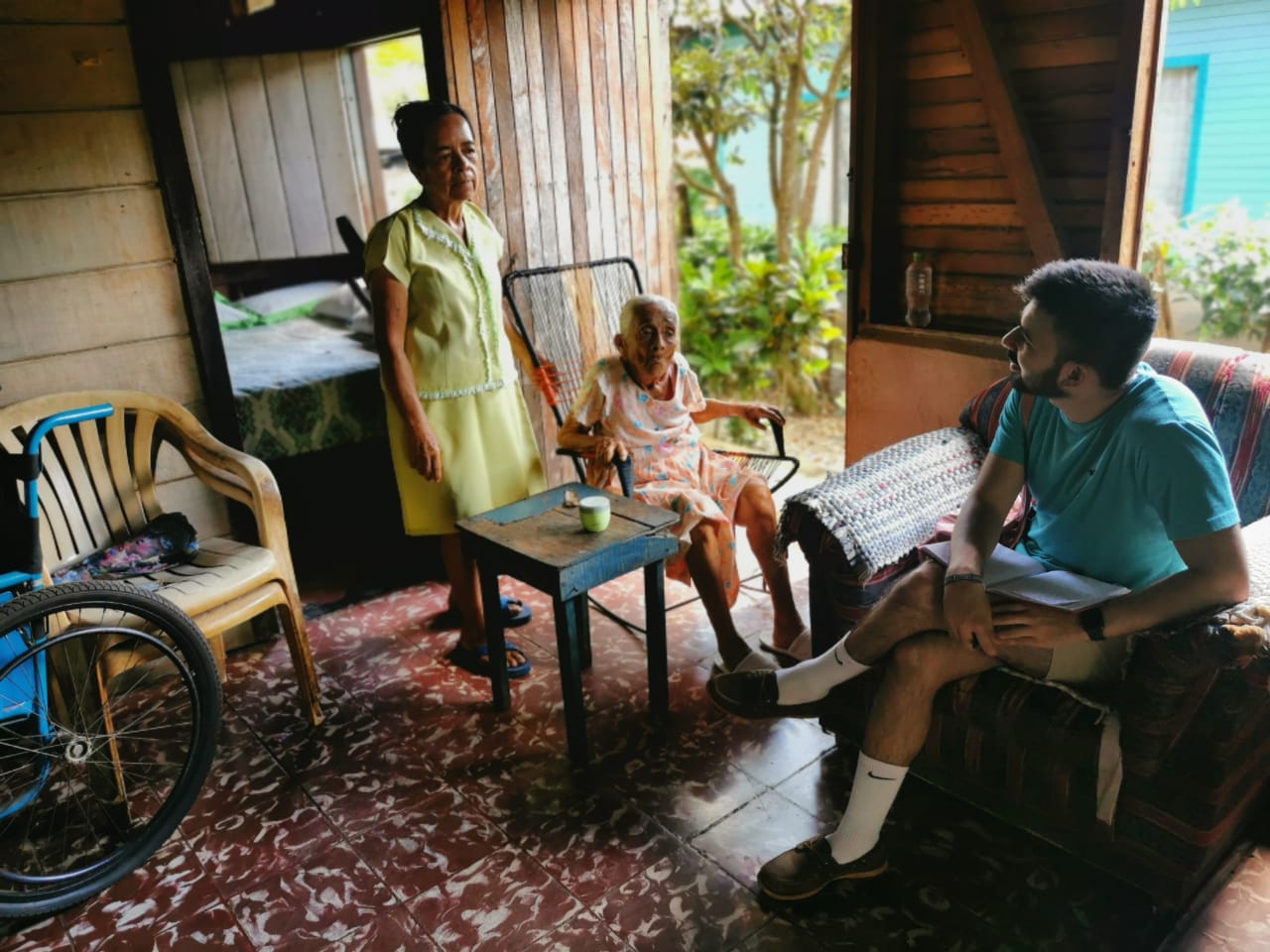
What images come to mind when you think about the countryside or rural settings? I grew up in Chicago, where I saw more buildings than green spaces. I spent three weeks in the countryside, and my entire life flipped. I was in areas that had no access to hot water and had more wild animals than people living there. I was not ready for this experience but I dove deep into the experience to make the most out of it. I was traveling by horse at times. Some places also did not have electricity, and therefore they could not eat meat often. These experiences have reminded me of the privilege city people have that many in deep rural settings still do not have.
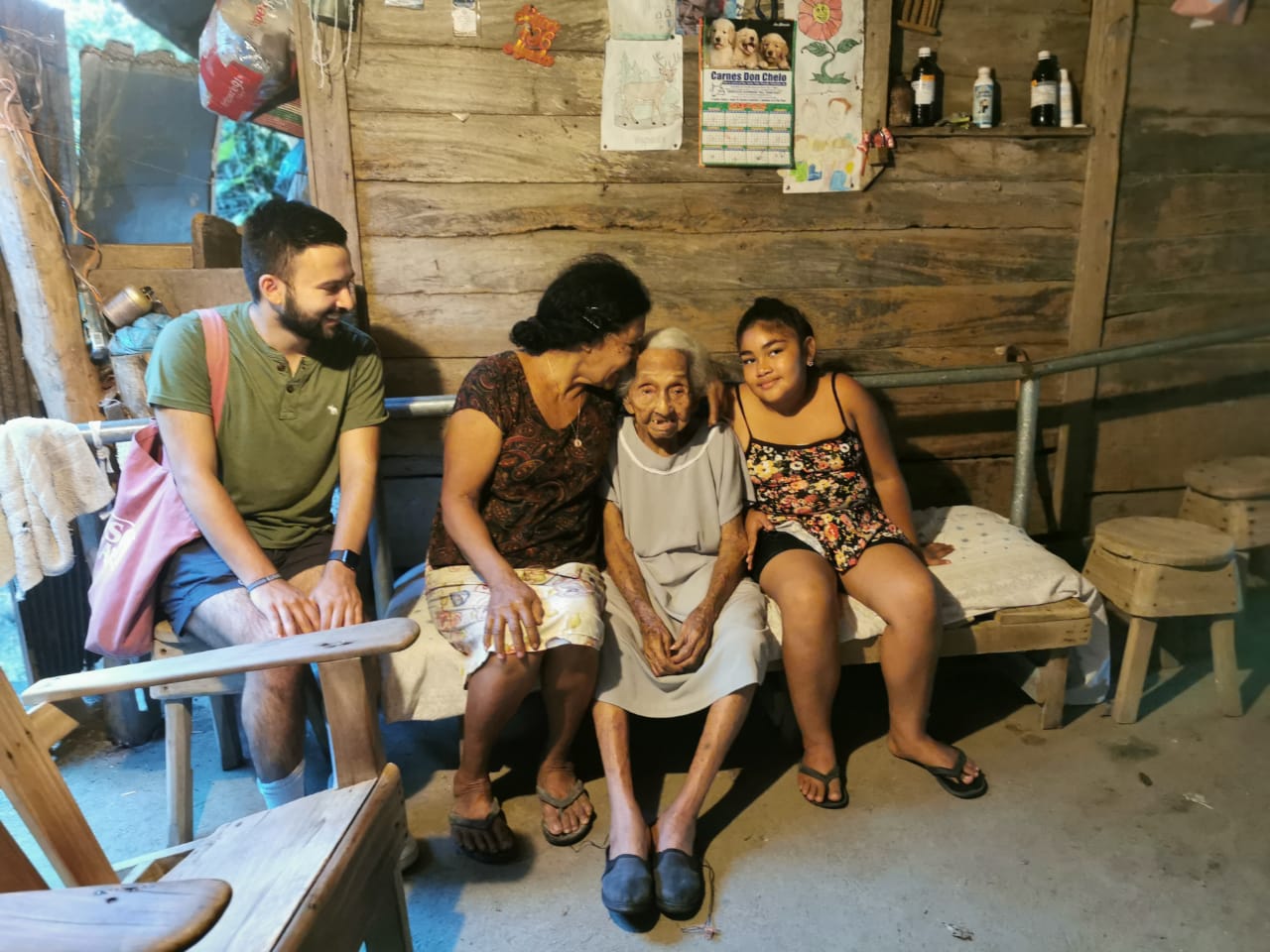
One older adult lived high up in the mountain, and to get there, I had to drive, travel by foot, and ride a horse. Once I was on the horse, we had to walk through a long road and cross the river, which at times is not crossable. When the river is too high, one cannot cross with a horse but instead risks themselves to cross to bring food to the other side. This experience has reminded me how the government must be held responsible for building a bridge to ensure that families have access to food and any medical attention they might need. How can we create programs where government officials help build roads or in that case a potential bridge or way where we are able to cross over to the other side despite the water level rising in the Spring? The older person Dona Maria and her family say that they like where they live because it has numerous memories and its a lifestyle they are use to. Although, some people might think it is difficult, they see it as something more that gives them purpose and respect to their culture.
My time in the countryside has shown me various struggles that older persons face along with family members. The government must create better programs and regulate who is using its services and inform the community about them. I’ve seen an array of living conditions and am intrigued by how caregivers either rely solely on the income of their parents to make ends meet or also have access to a pension but did not at first until they were informed. We have to ensure that older persons in rural settings are heard and taken care of.
Life is hard here in the countryside, but it gives people purpose. One wakes up early to harvest fruits or vegetables. You are actively doing something here and have found a purpose. Life in the countryside is filled with many activities from house tasks to outdoor activities. Additionally, many live near family and tend to have visits from many. Therefore, the linkage of family is also important in these areas.
Jose Pancho Villegas Visit
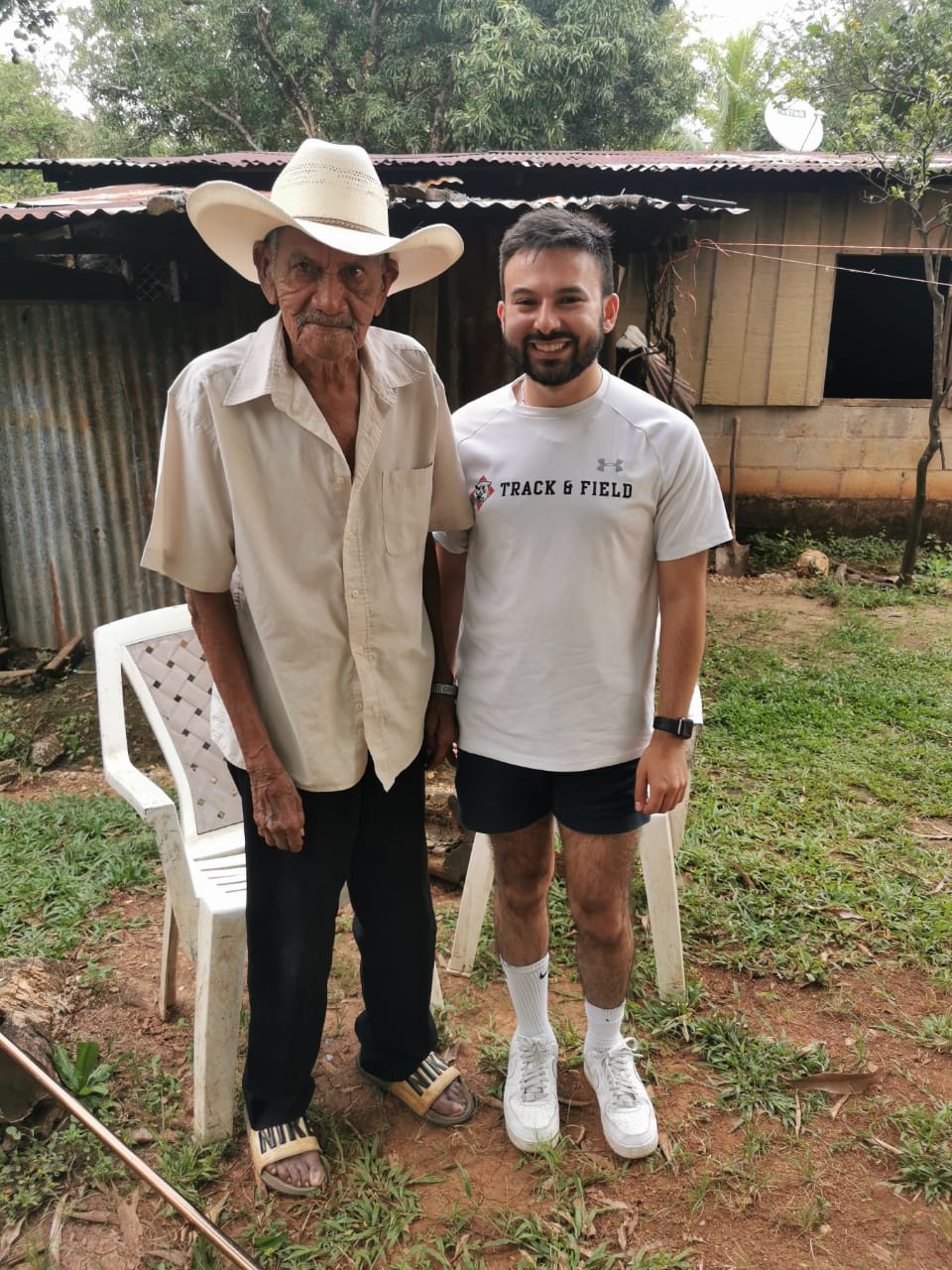
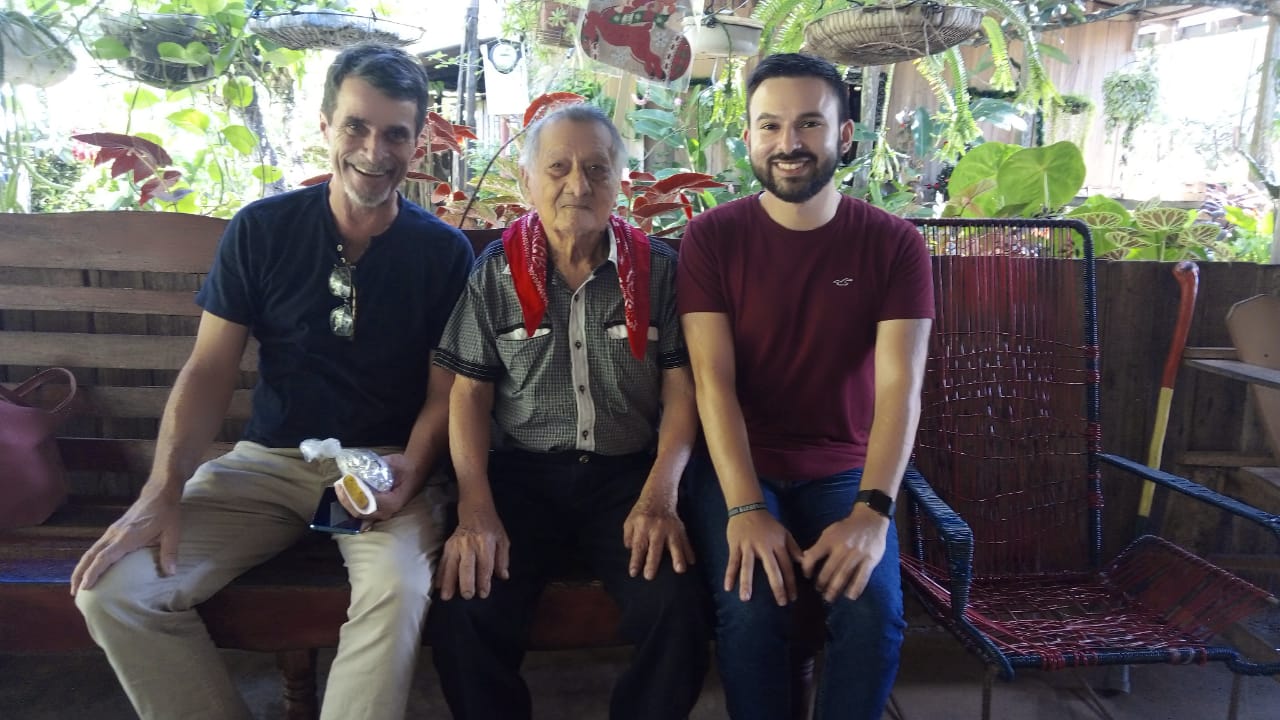
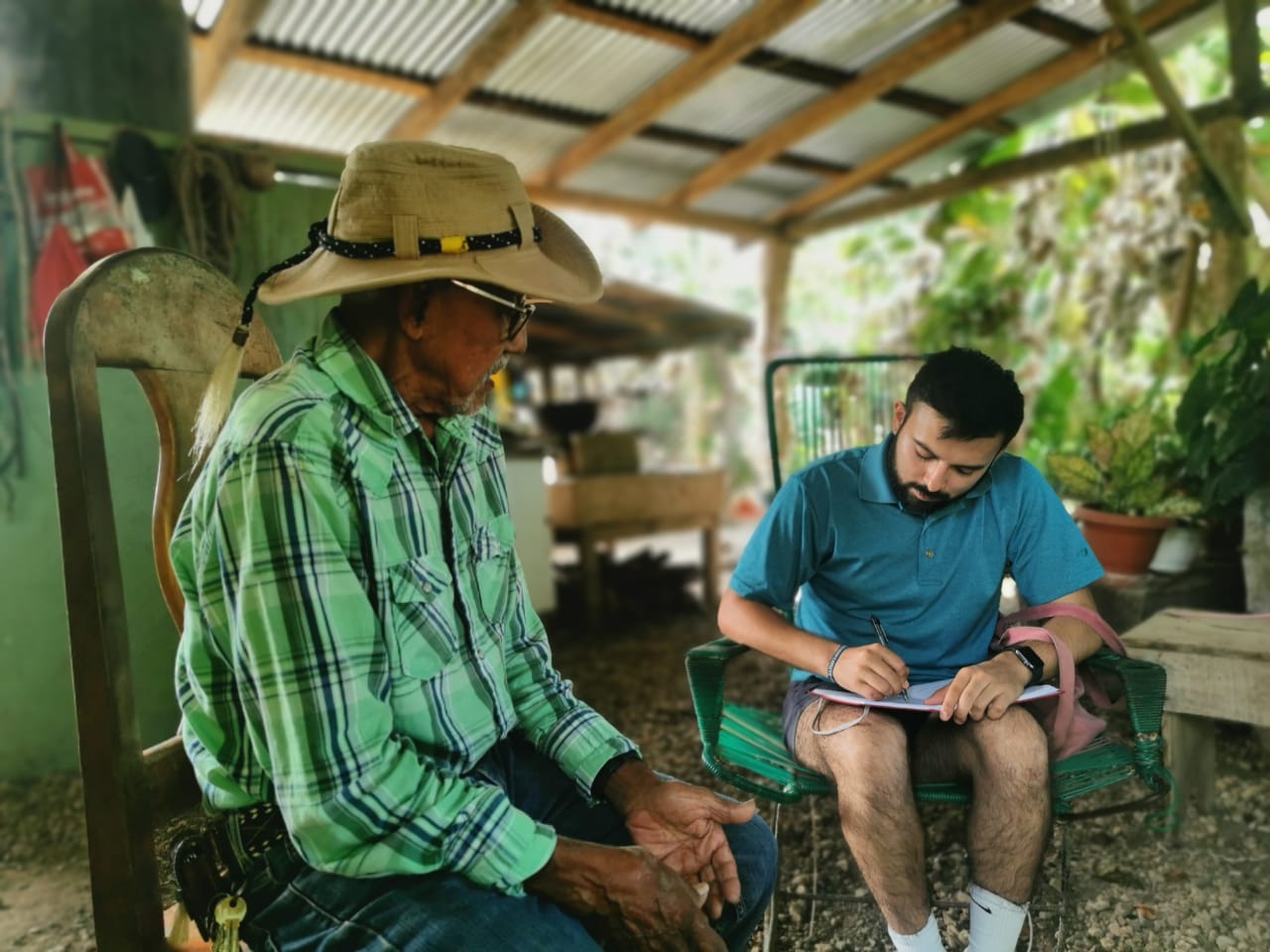
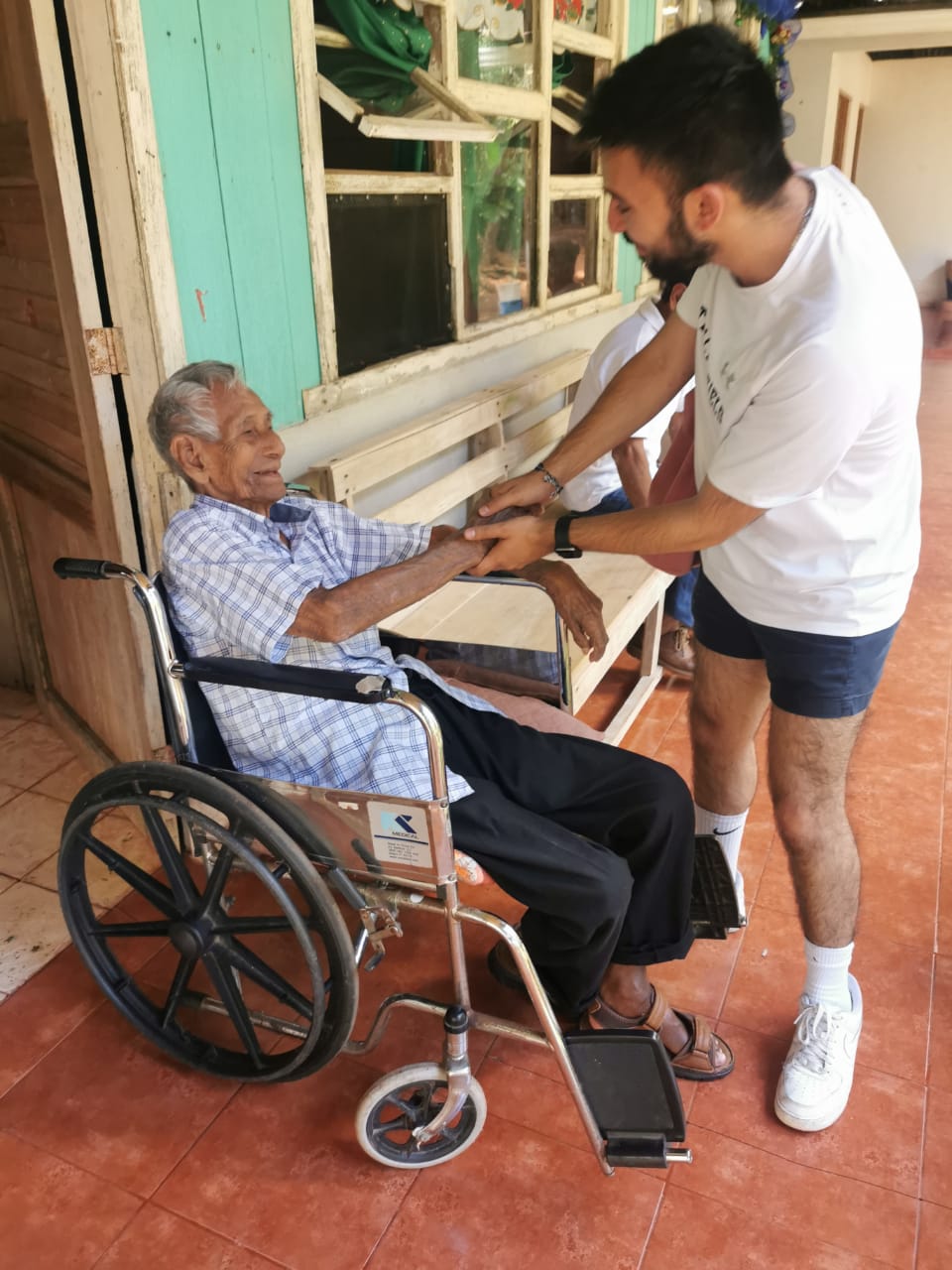
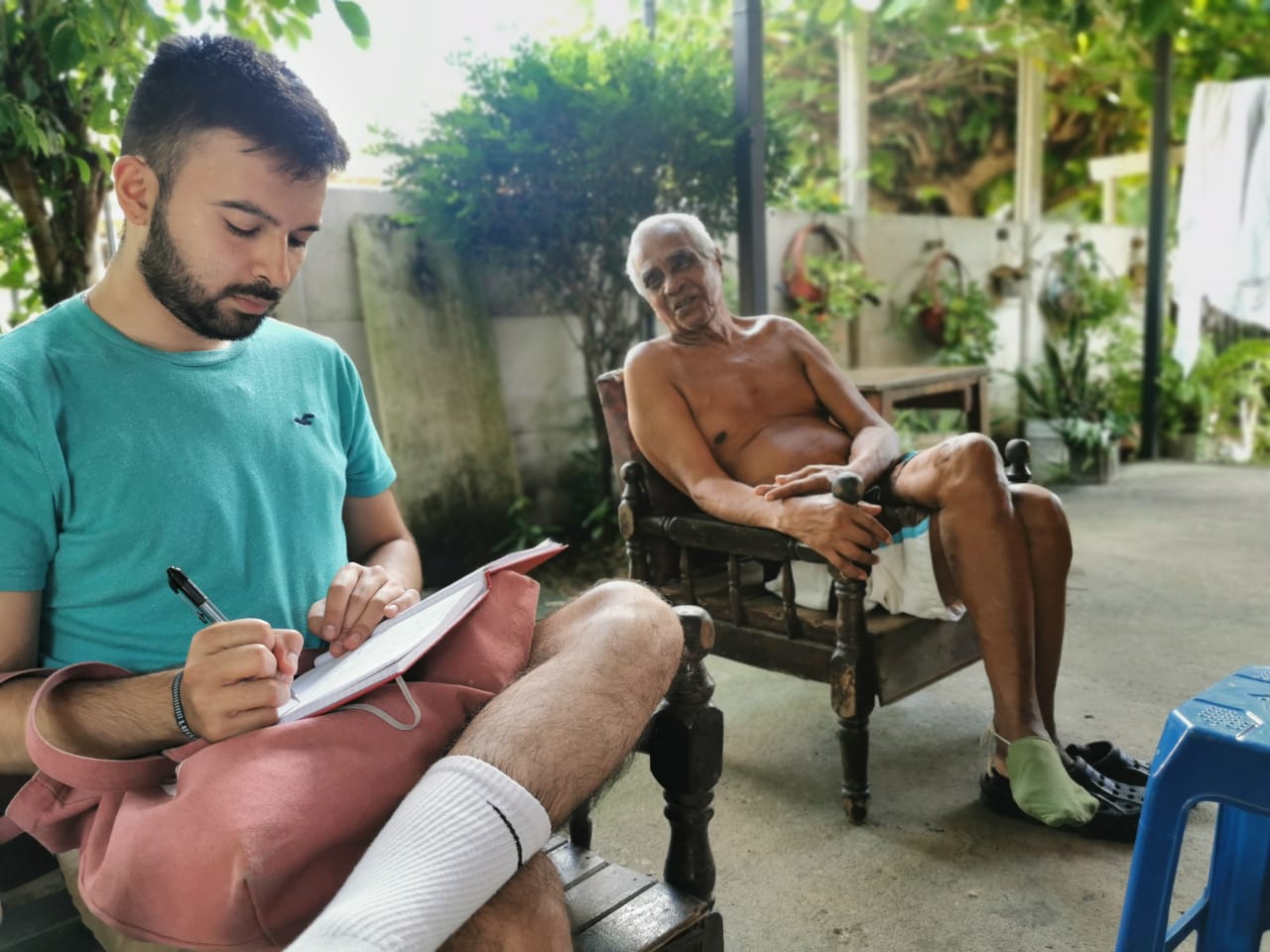
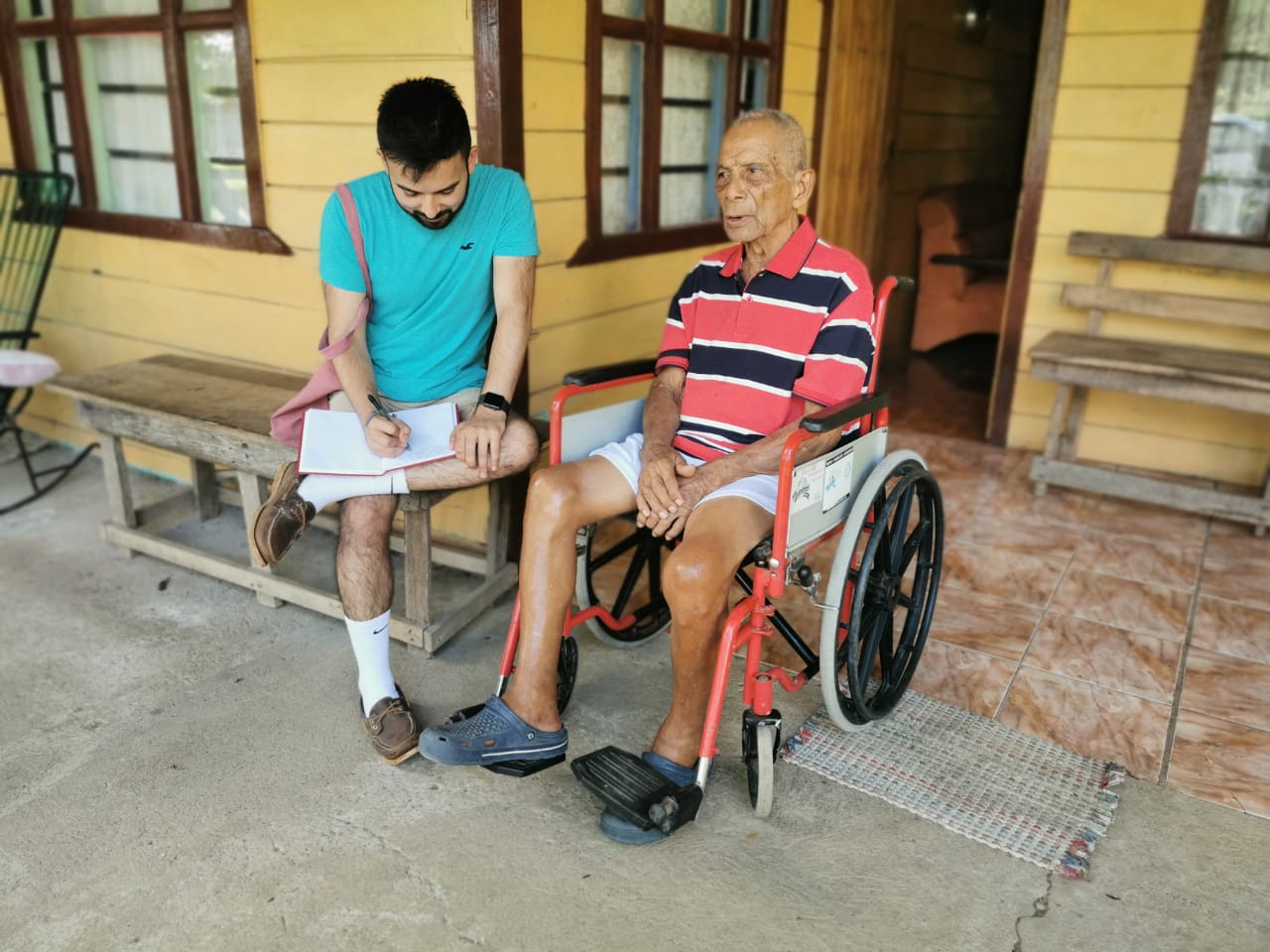
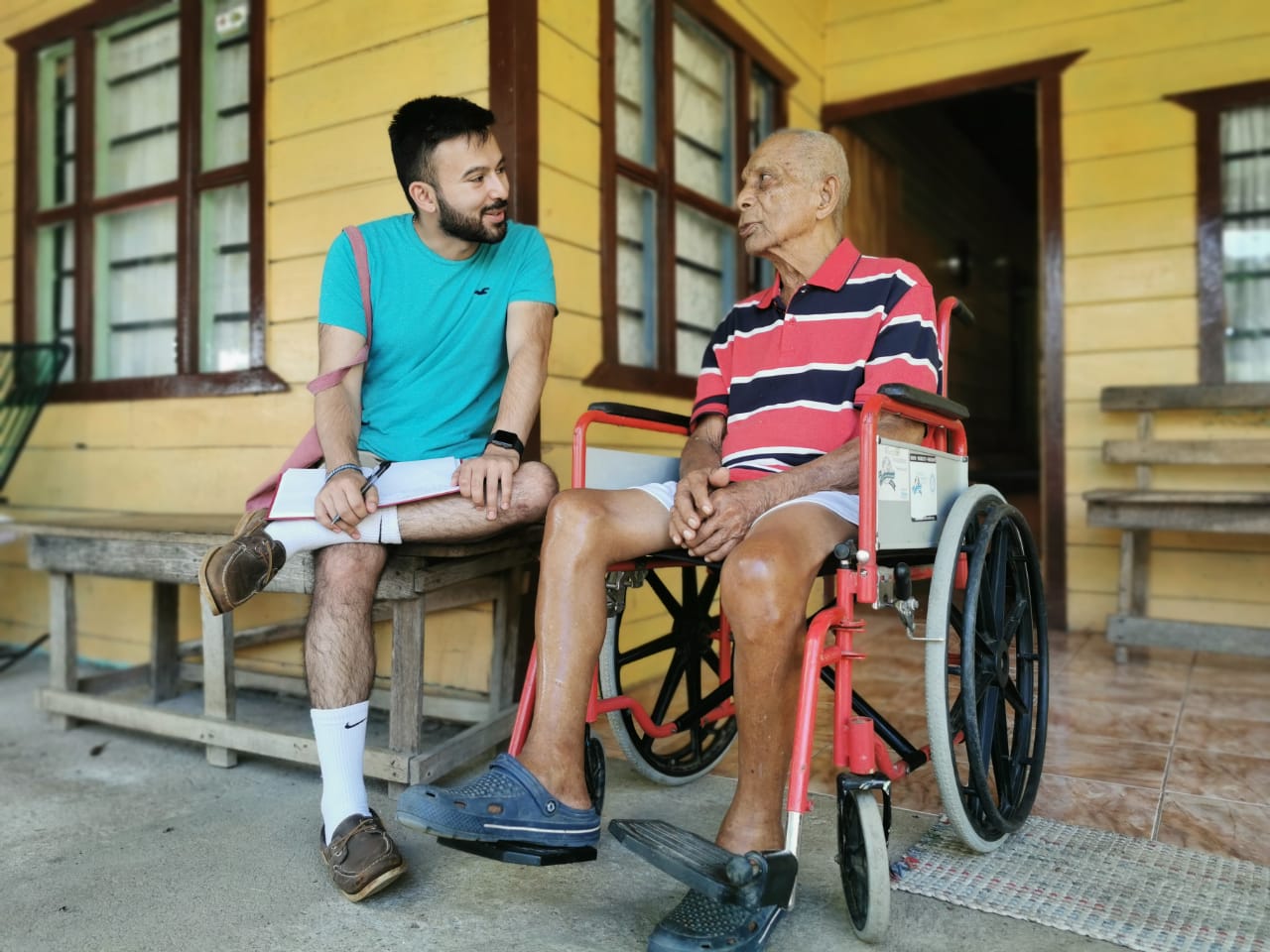
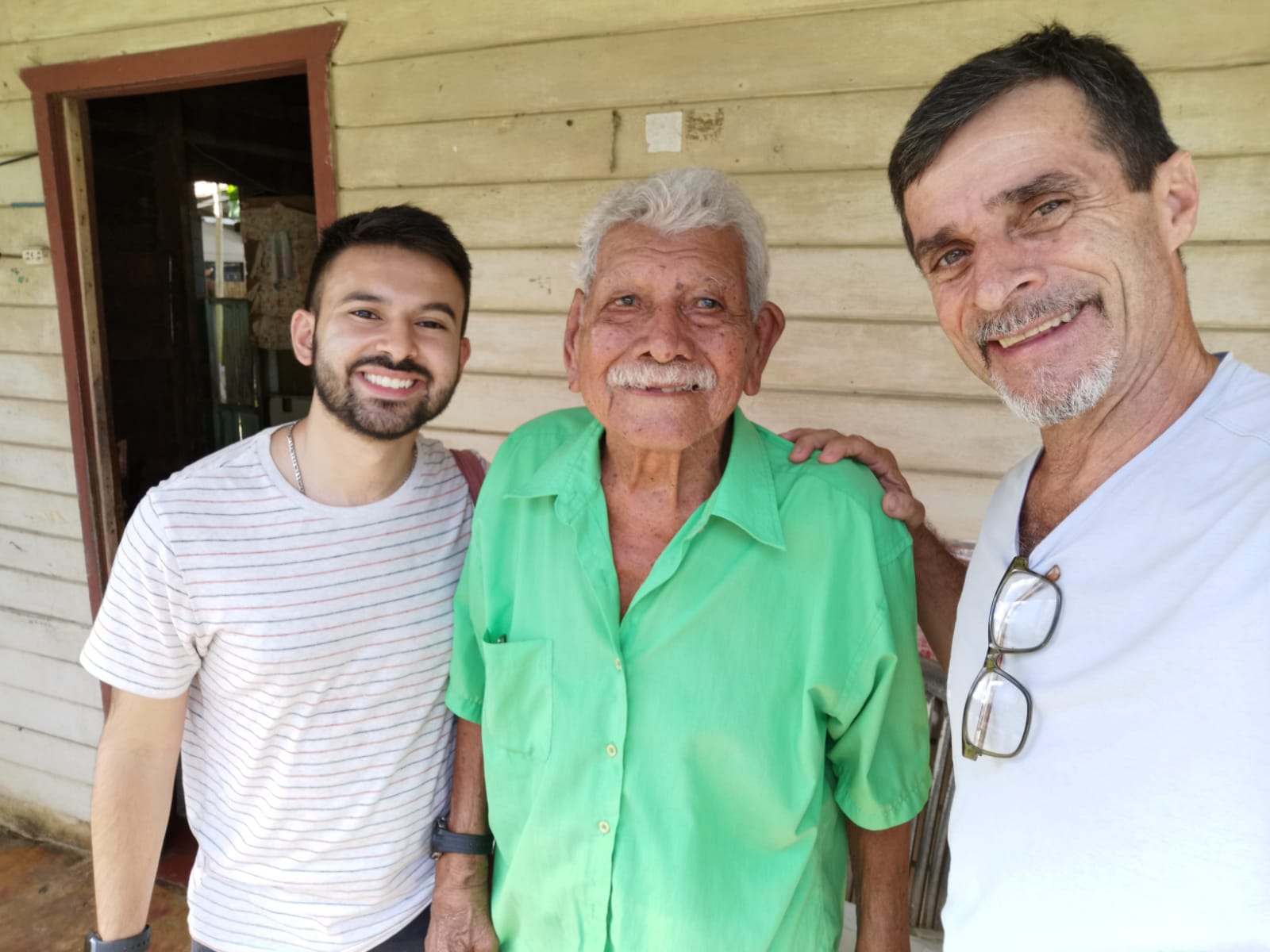
My host father is 105 years old and lives with his daughter (63 years old) who is his main caretaker. She spends everyday with him and I proposed to her to take a break while Jorge and I care for her father and she agreed. Therefore, Jorge and I spent the entire day with my host father Pancho Villegas and was beyond inspired by how resilient he is as a person. I am fascinated by his stories as he used to ride a horse frequently and be gone for half the day. I woke up early to eat breakfast and then get ready to see him.
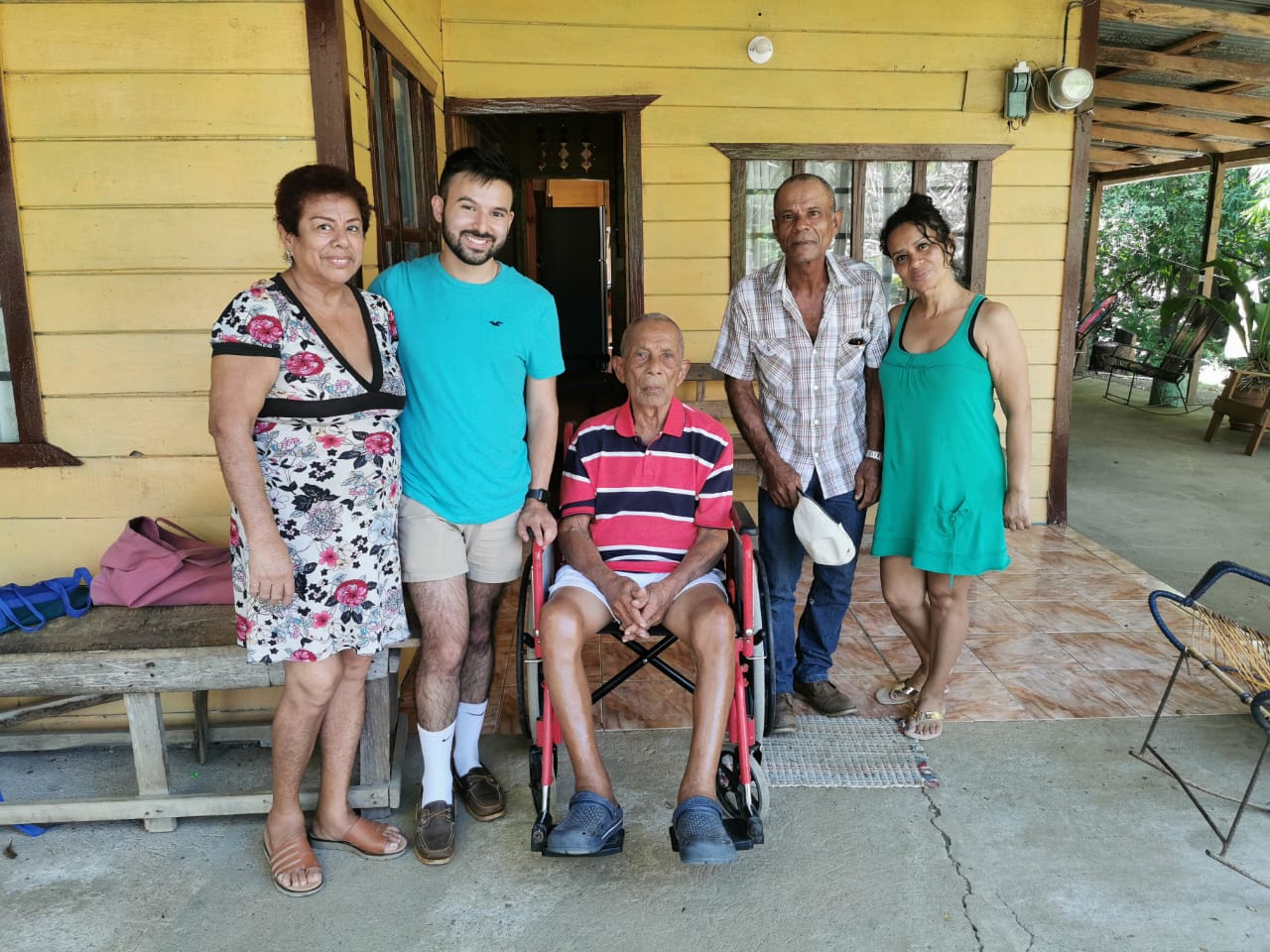
He starts his day very early eating breakfast and then he sits outside on the front porch watching the scenery. He sits in an outdoor space with incredible plants and greenspace. He spends some time there relaxing or waiting for his family to come in the morning. During his break time I was very inspired by the songs we were playing and the conversations we had. He is a strong man and was giving me advice. I also met more of his sons and other family members who visit him.
He reminded me of the importance of also being able to be alone and privacy. It is clear that he enjoys having autonomy of being at home and going at his pace rather than following someone else’s pace or being told what to do. We have to at times fight against institutional models of care where we have things programmed but think about how we can better improve the system. We need to ensure we have flexibilty within these spaces.
Afterwards, he eats a little snack and heads to shower as the day gets warmer. Once he showers, he goes back to his bed to rest for a bit and then comes out for lunch.
Once he eats lunch he again sits outside and/or watches TV. He was also very intirgued that I was traveling alone. He was telling me how I have to be safe and that solo traveling is never fun. In his case, he traveled alone but at least he had his horse to care for him and keep him company. I am thankful for the time I spent with him and the family. They are unique and offer us many things to learn from.
Gracias Don Panchito.
Centenarians Visit
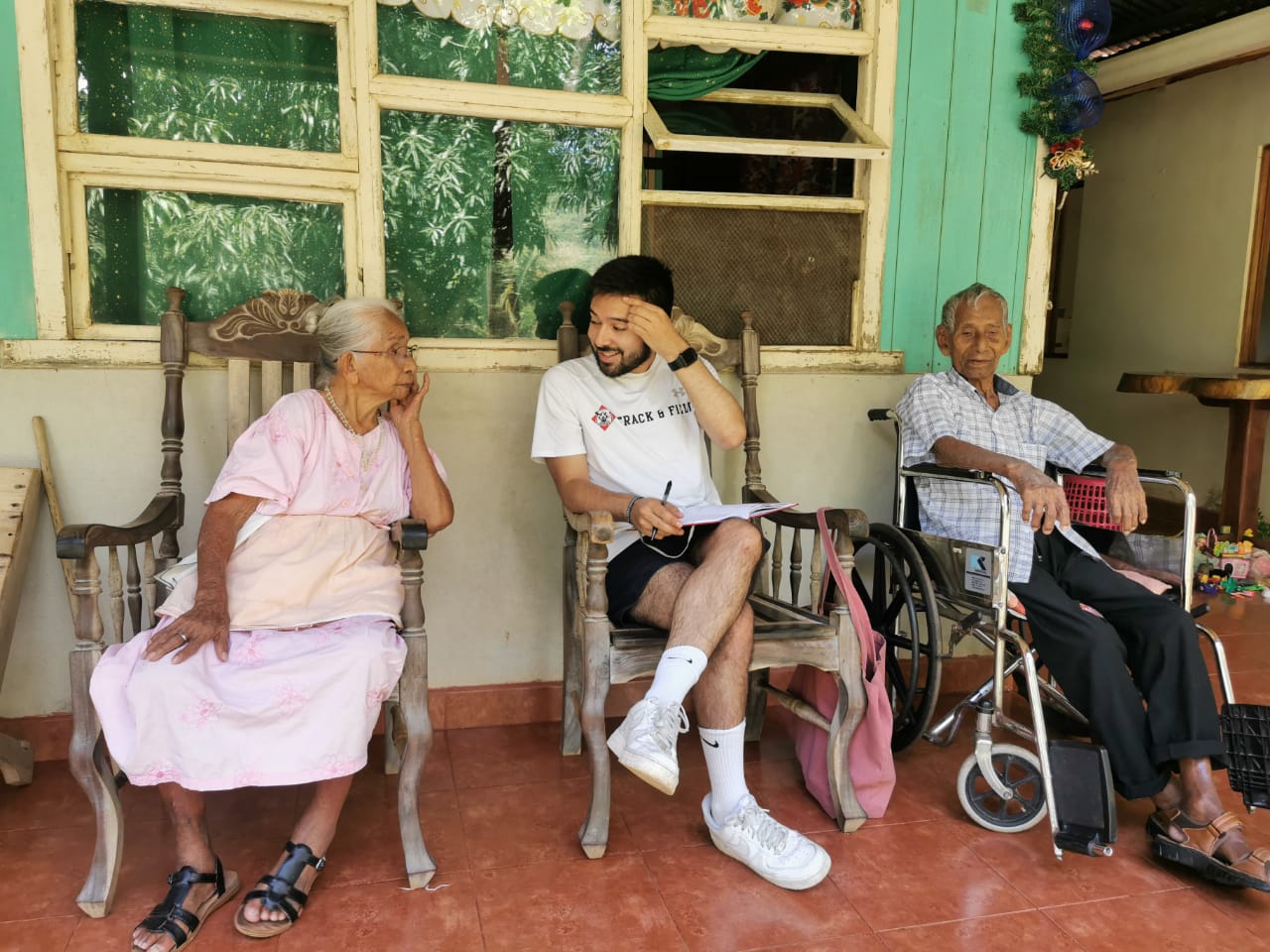
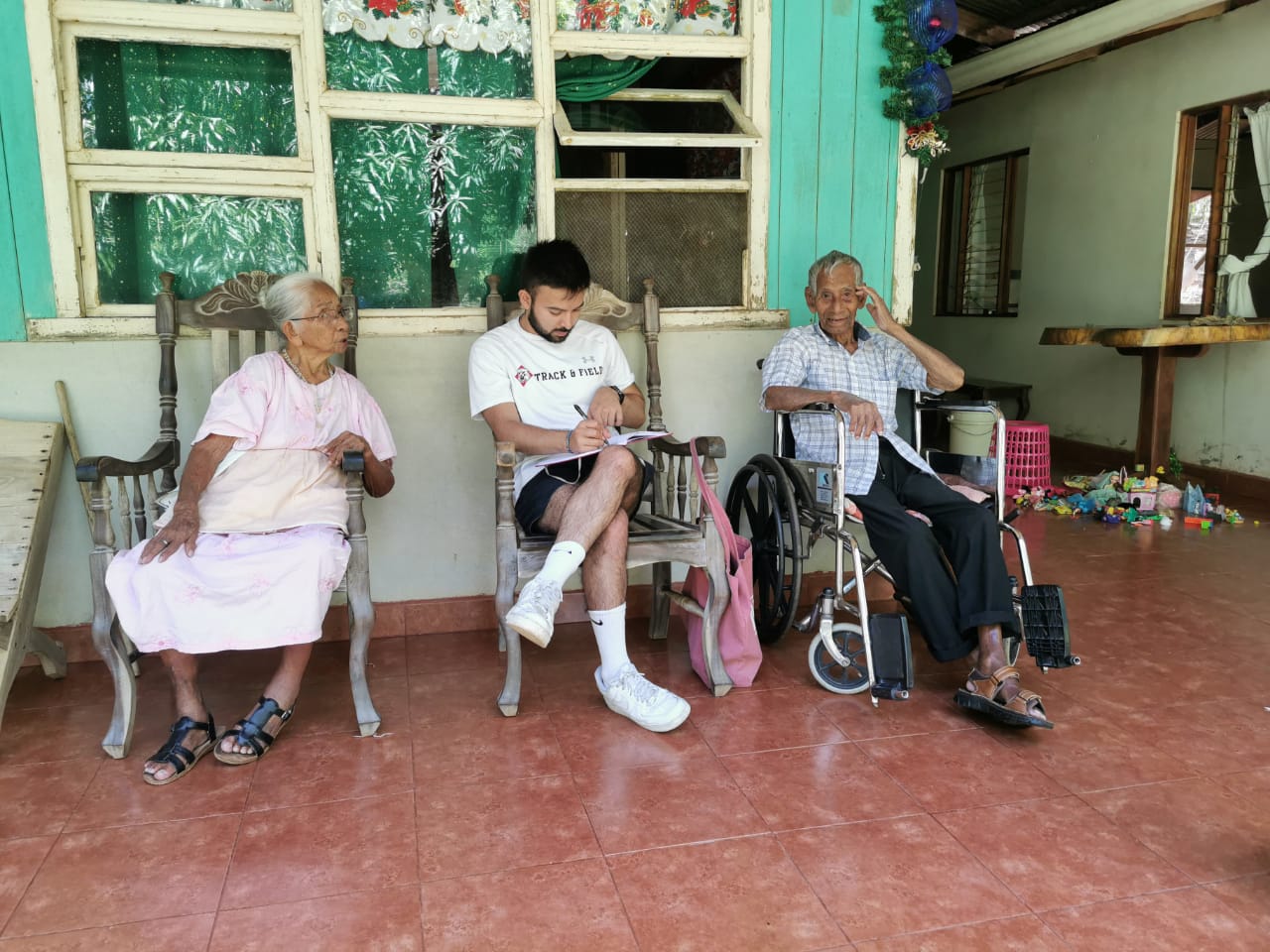
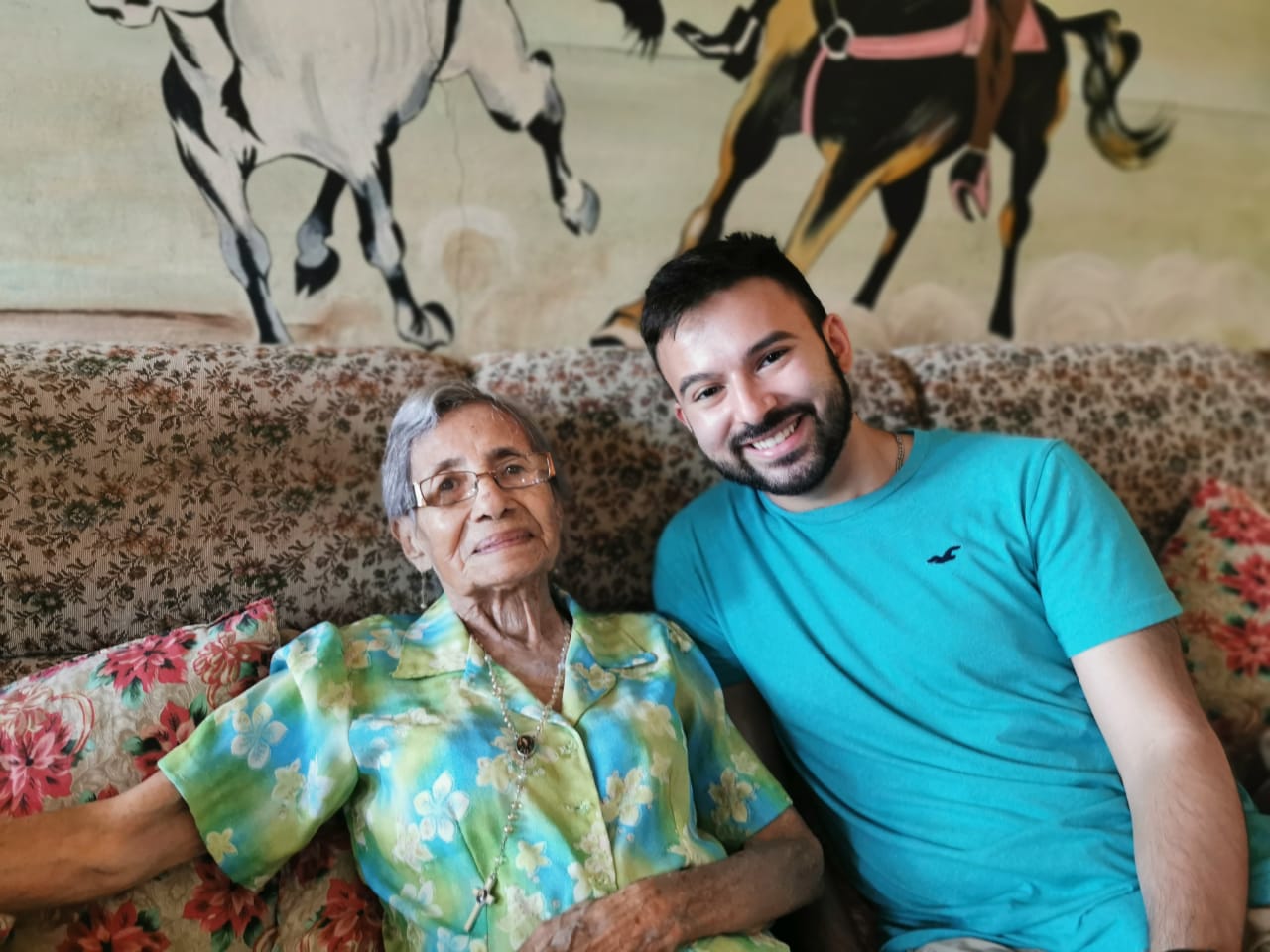
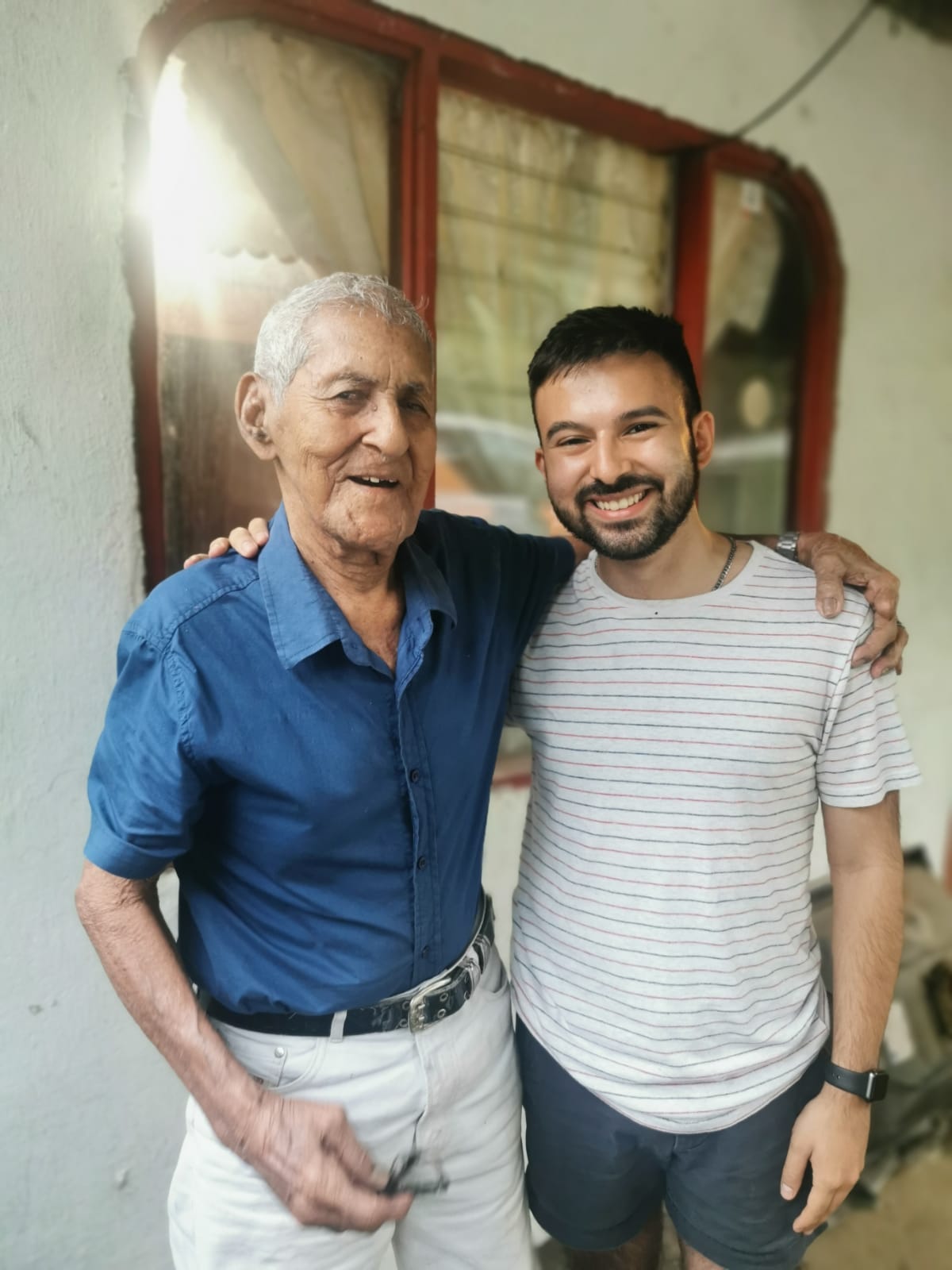
In the span of three weeks, we were able to visit several centenarians in the Nicoya Peninsula. This was an incredible experience as I met an array of family caregivers and older persons under various conditions. These unique individuals need to be heard and the government must help them.
During my visits a common theme kept coming up which included the outdoor experience. They all liked having outdoor space and being able to either interact with animals such as chickens, pigs, or horses. I was very interested in witnessing these spaces as some LTCFs also housed animals for the older adults to interact with.
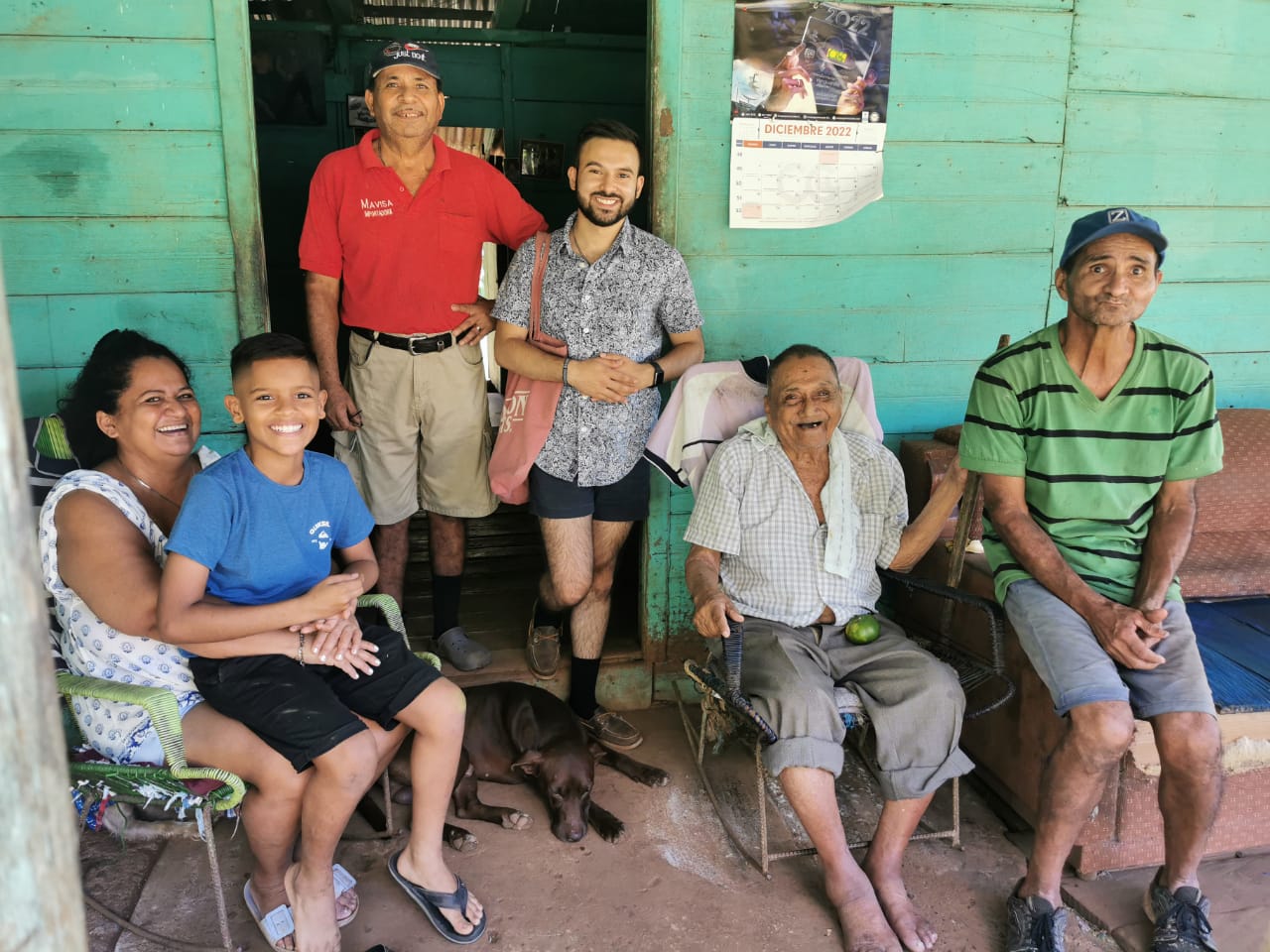
Another theme was the family ties that everyone has. Every centenarian had family with them constantly. Some of their chiildren ended up never marrying but spending their entire lives caring for their parents. It is incredible to see how although some children left they still come to visit often or they do not live too far away. It is clear family is culturally important to them.
Collectively, they’ve reminded me of the ability to have autonomy and options to do as they wish. Various centenarians mentioned that they would not like to have programmed activities as it takes away from their decision. They ALL stated how they enjoyed aging at home because they had more power over certain decisions. For example, this one family mentioned how they wake up their father when he tells him it’s time for him to wake up. In an instint older persons are typically woken up at a certain time.
Additionally, they reminded me of the ratio of caretaker to person. This for me was incredible as it is true that at home you will have one person or two caring for you versus at an institution that ratio changes. As well as, this person who takes care you is a family member who knows your history.
The caregivers also stated at times wishing they received materials to be better prepared and think that the government or hospital should give this information. For example, when my family member is diagnosed with memory loss a guide should be provided to the caretaker along with creative tools to be able to support them. We have to give more information
The government needs to develop a position where older persons are being monitored and accessing their living situation. We need to ensure our seniors are ageing in a dignified fashion. This organization is extremely helpful in locating and providing resources to the families of centenarians and we must continue to do this and create a sustainable method.
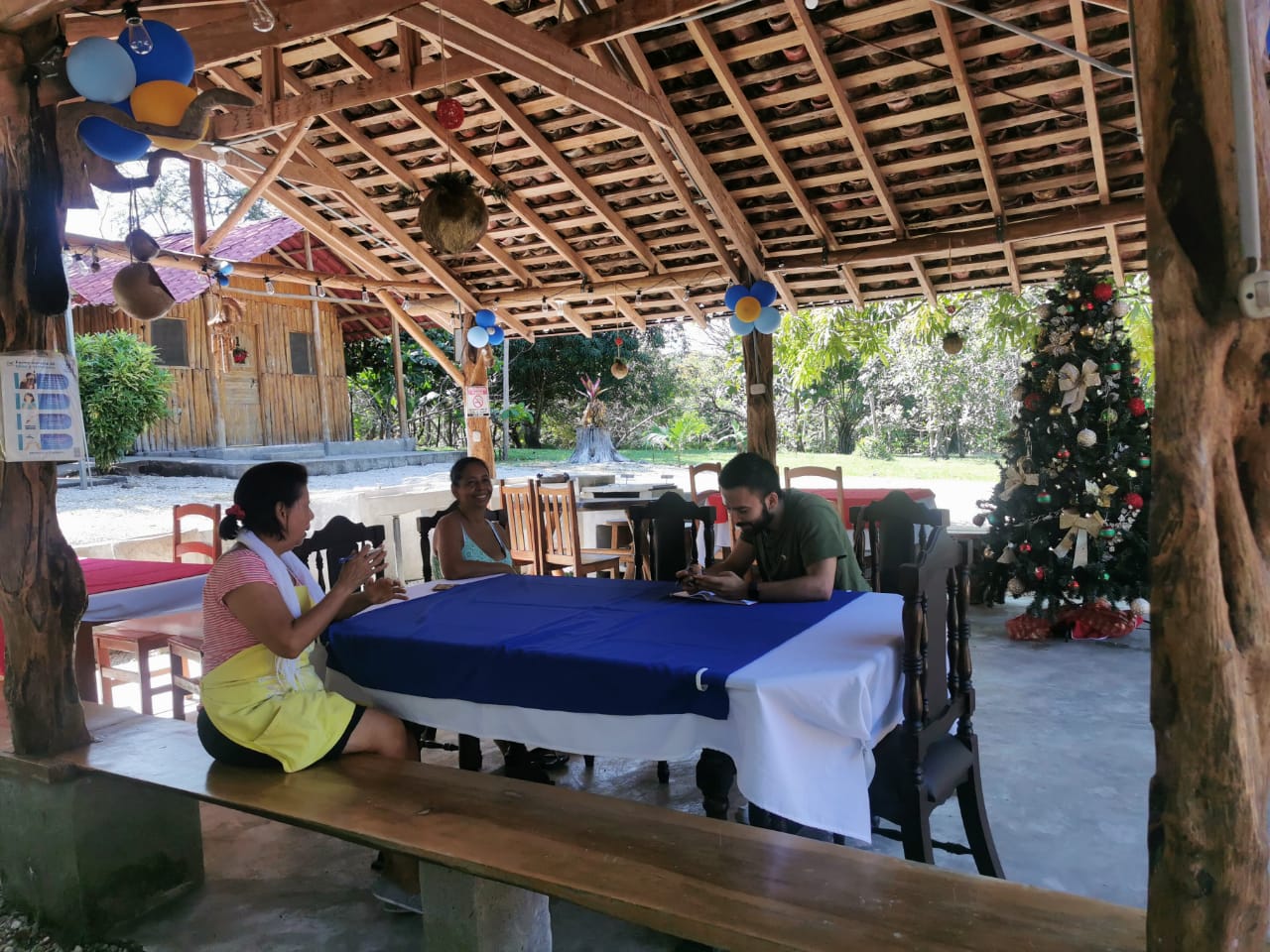
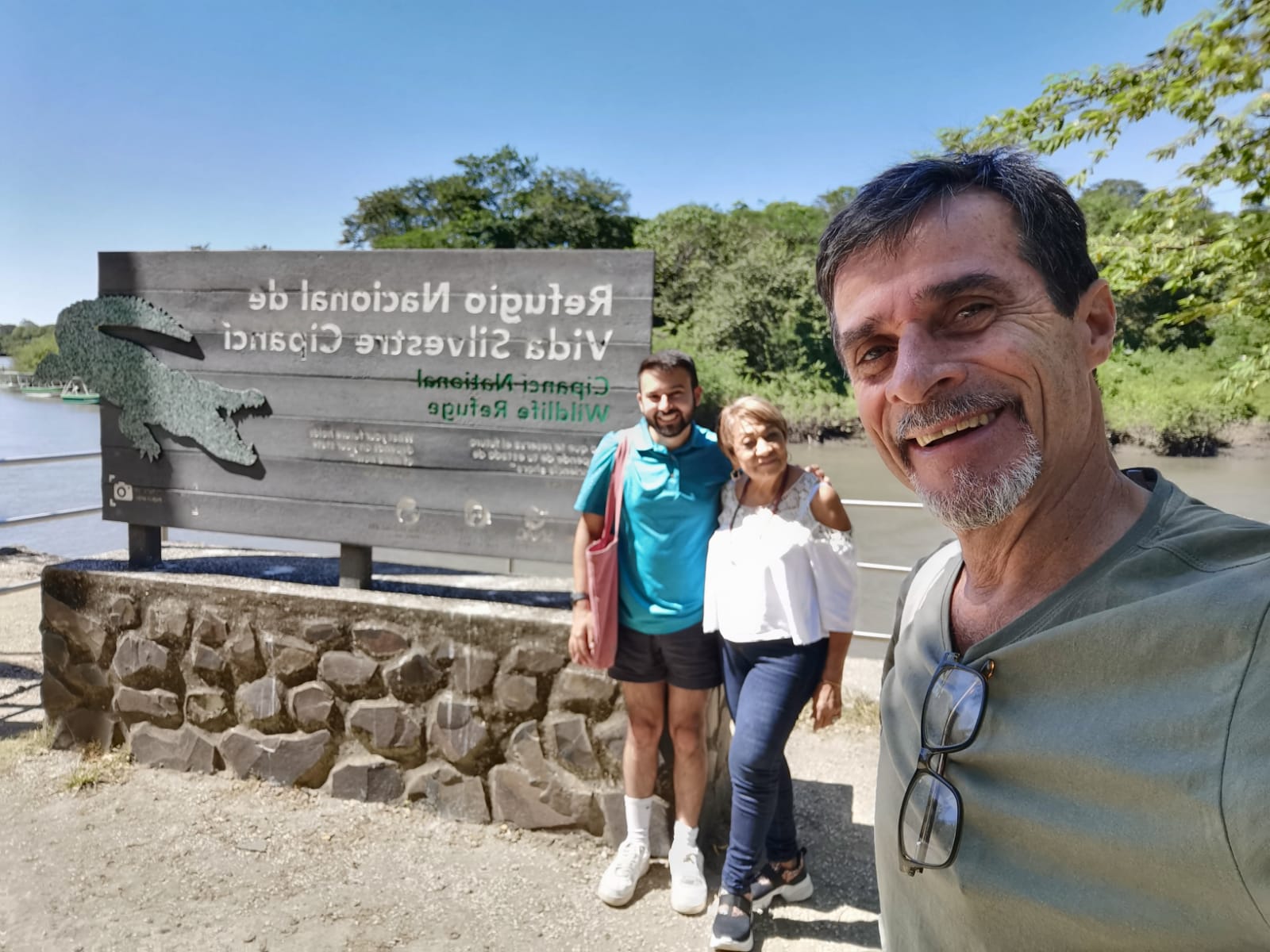
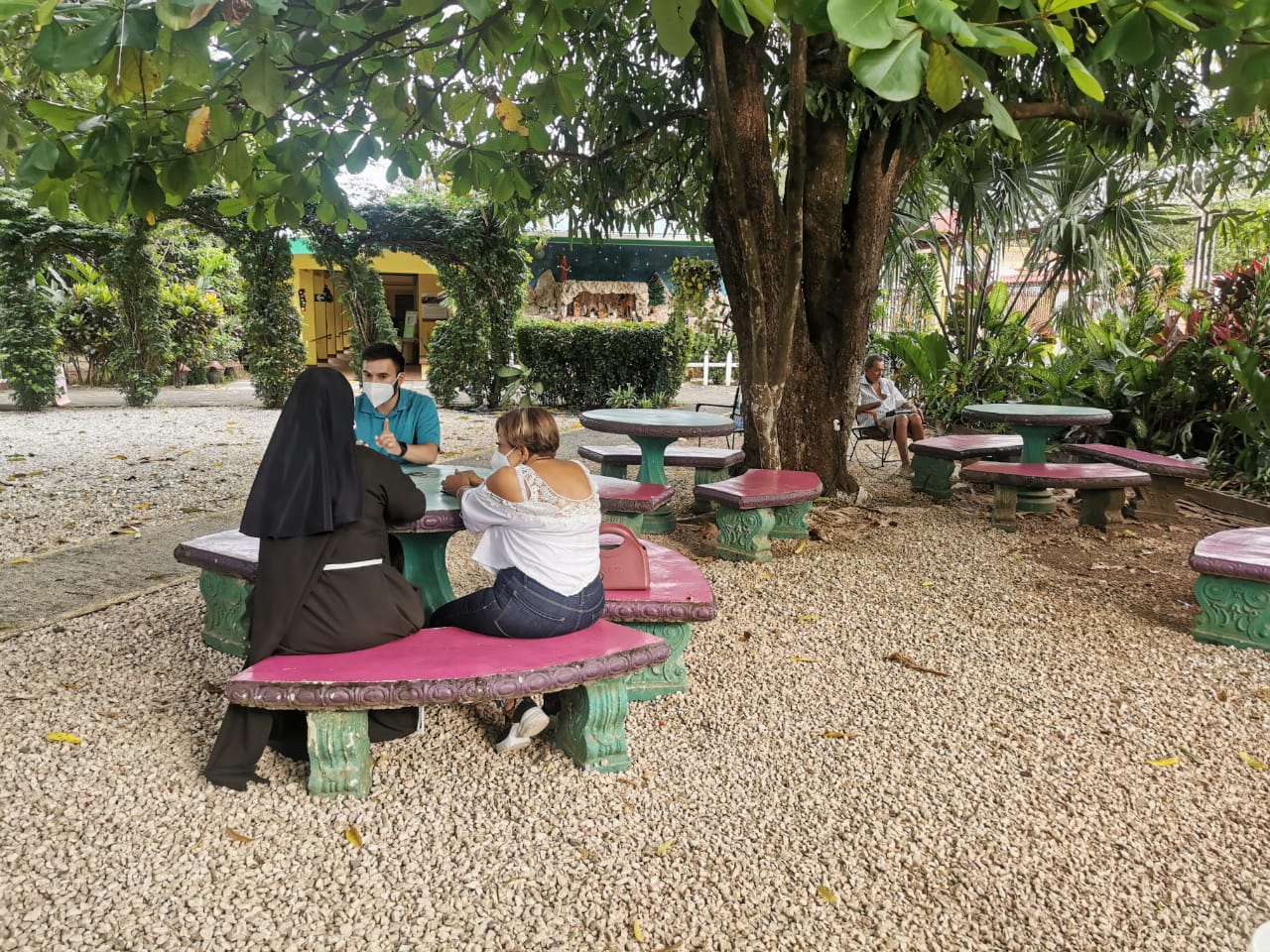
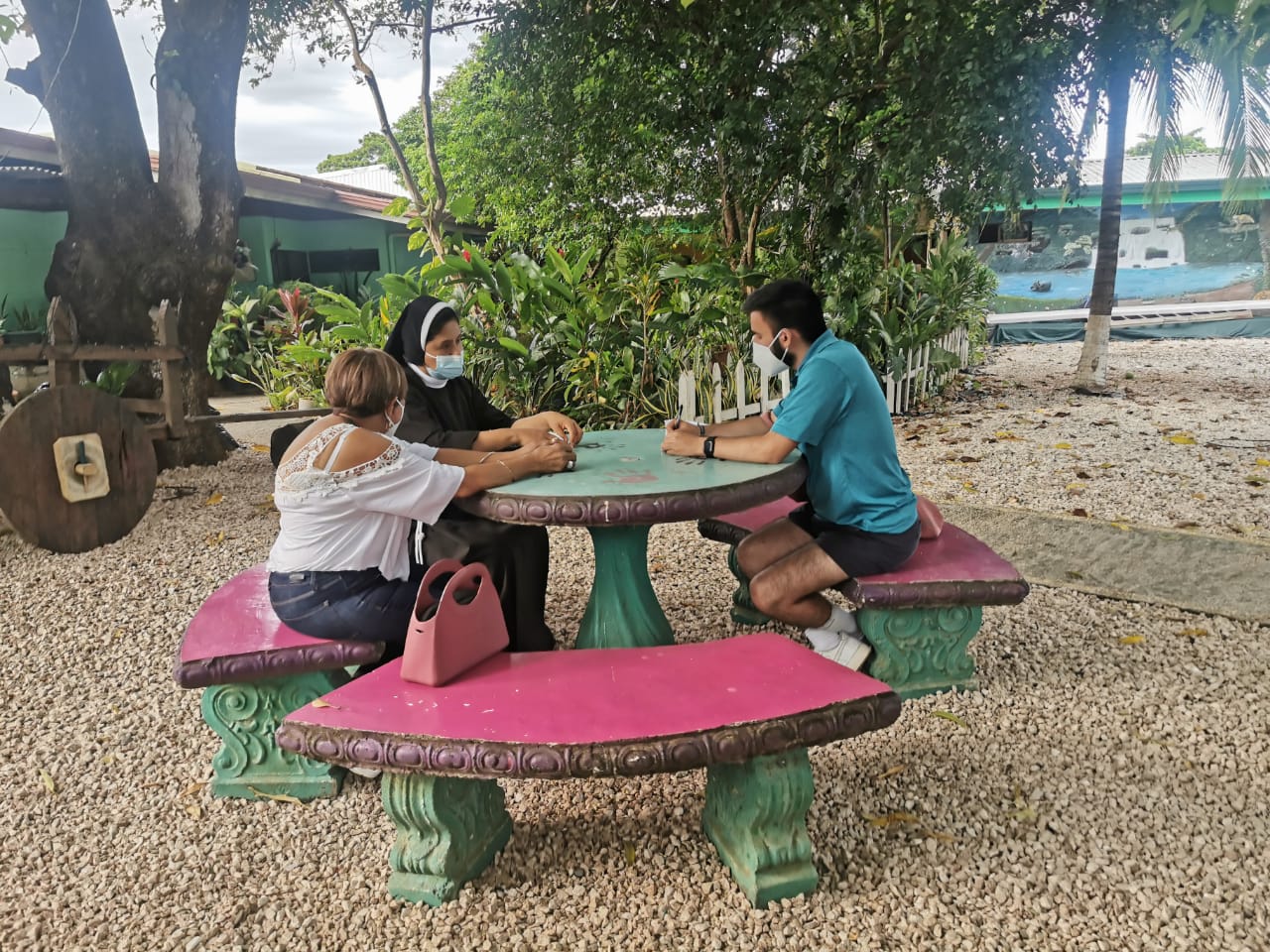
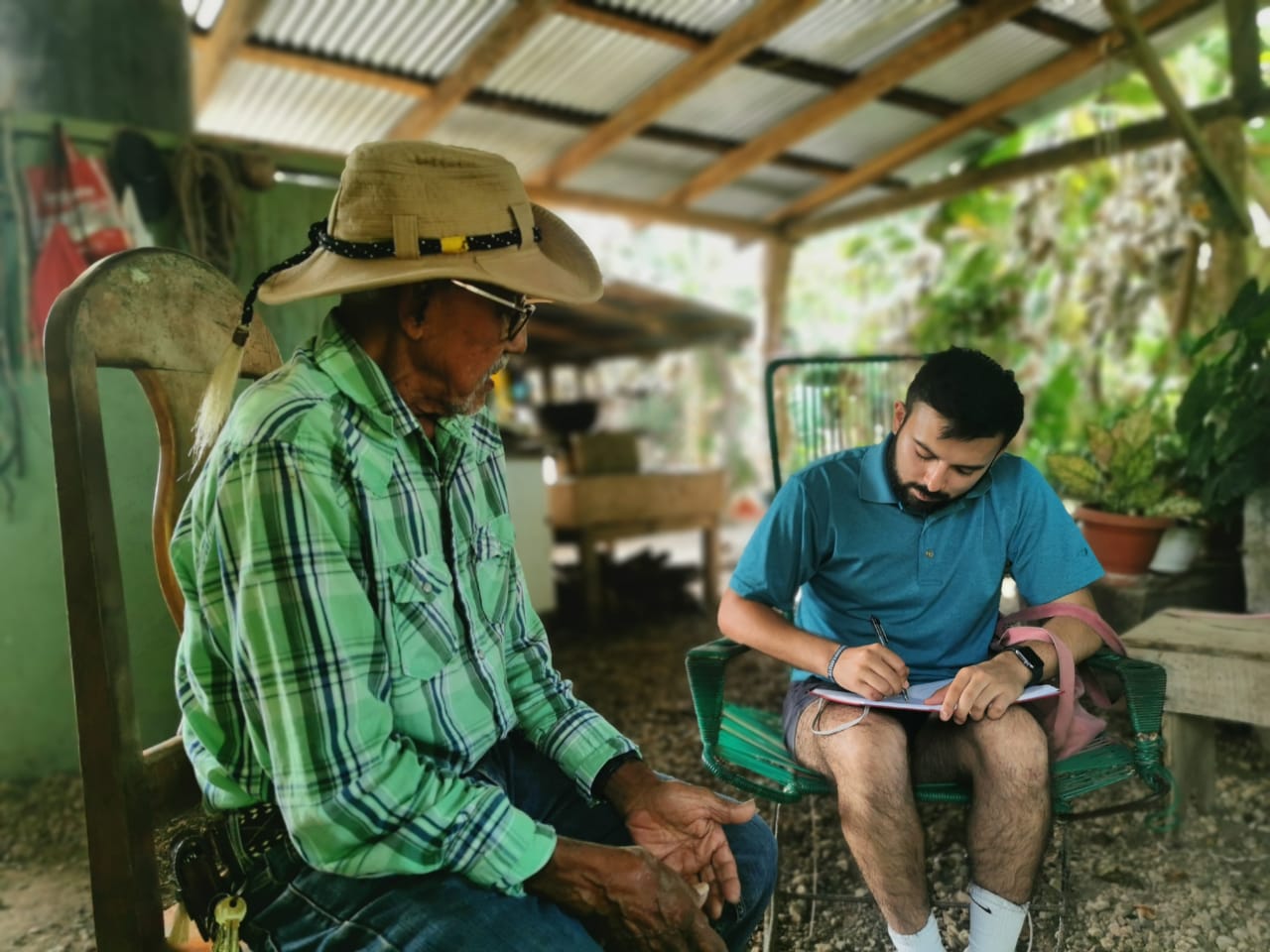
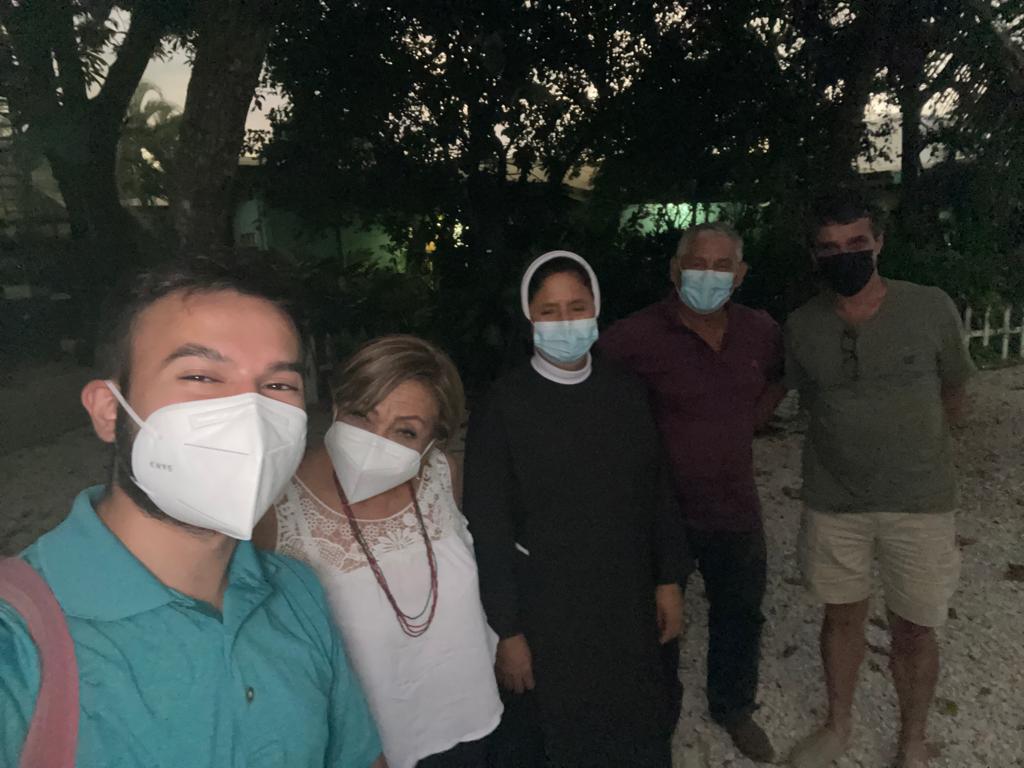
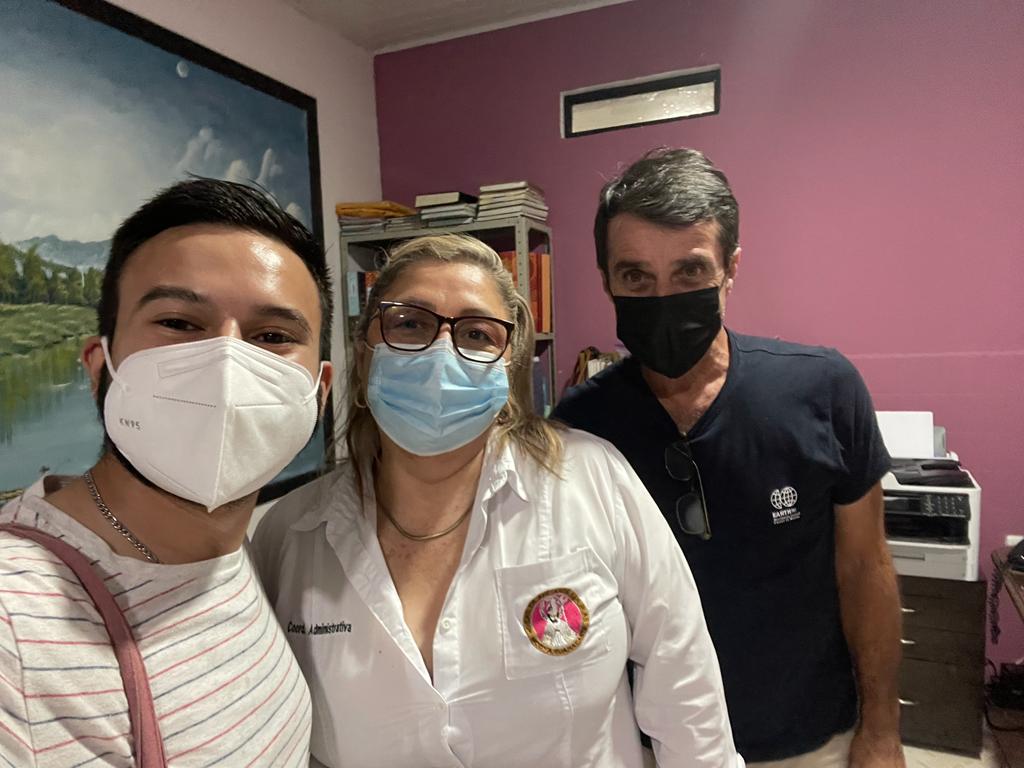
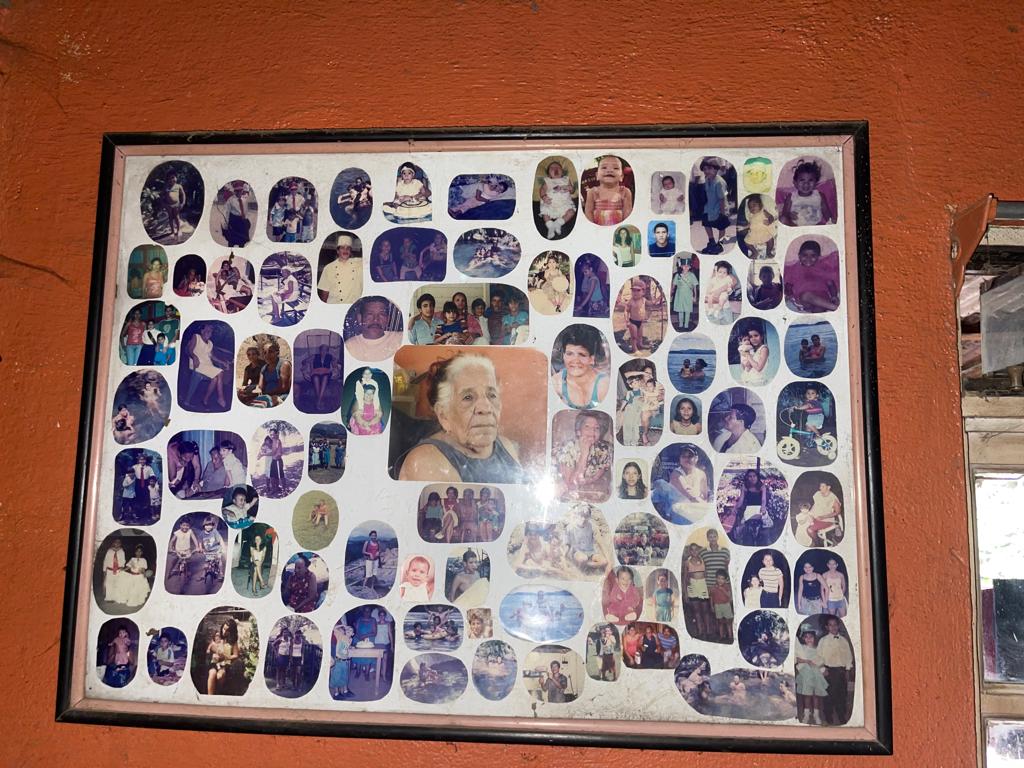
Below are some photos of the various visits I conducted! Beyond grateful for each of these families and the Association! If you feel moved to donate, you can do so here to help these older adults and future older adults who are at times struggling financially to live a life of dignity.
PayPal: paypal.me/AsoPenNicoyaZonaAzul
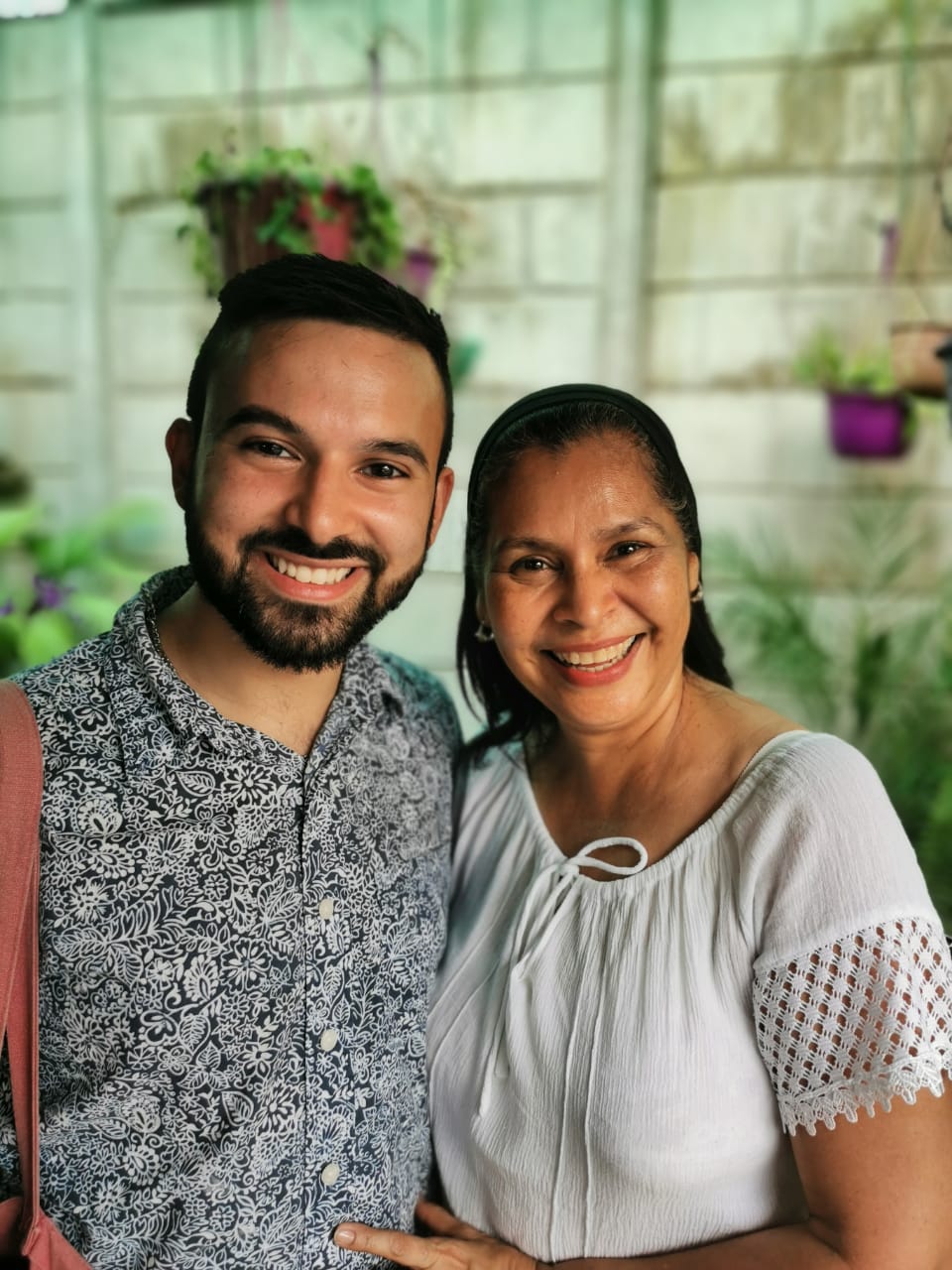
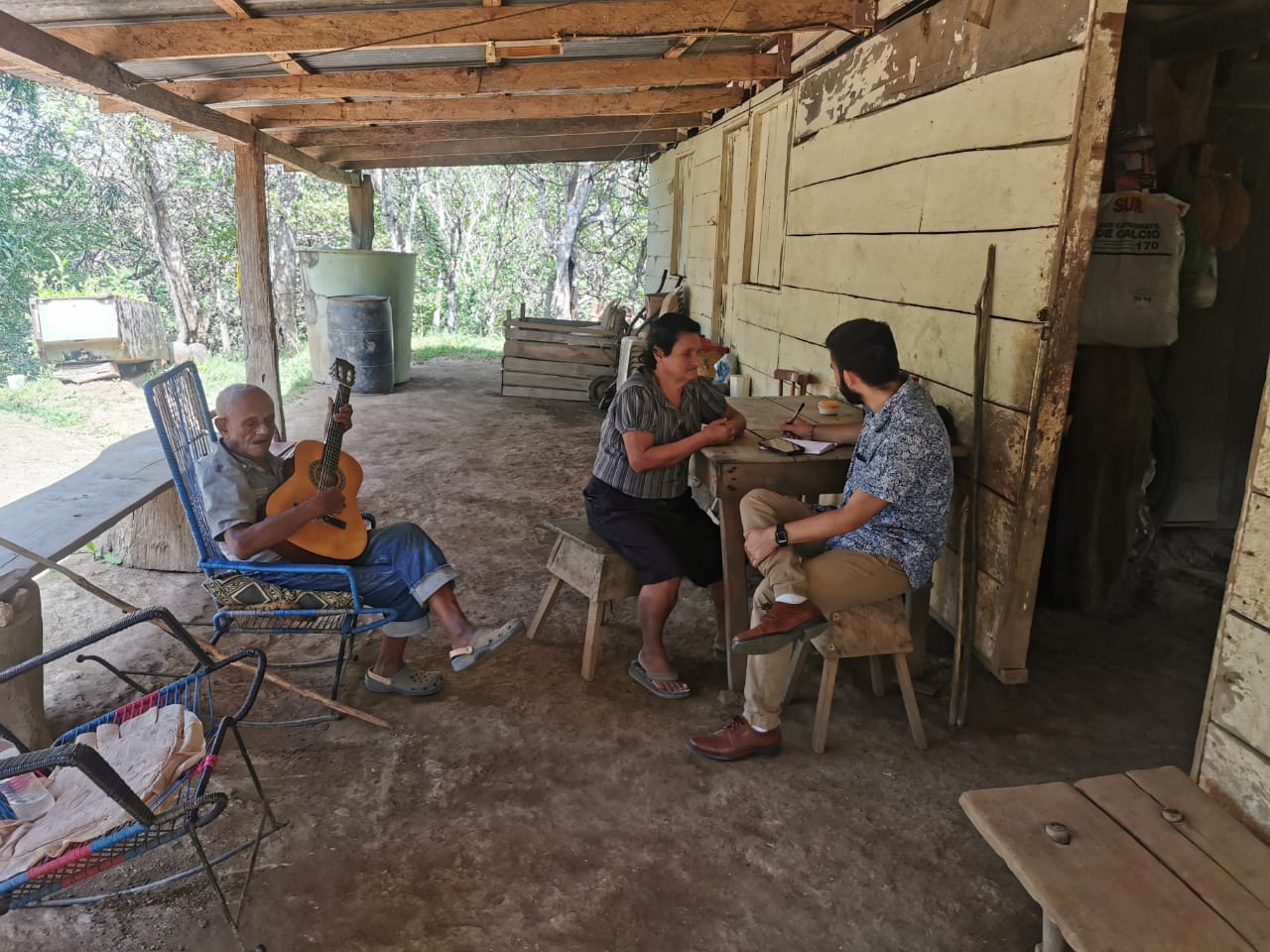
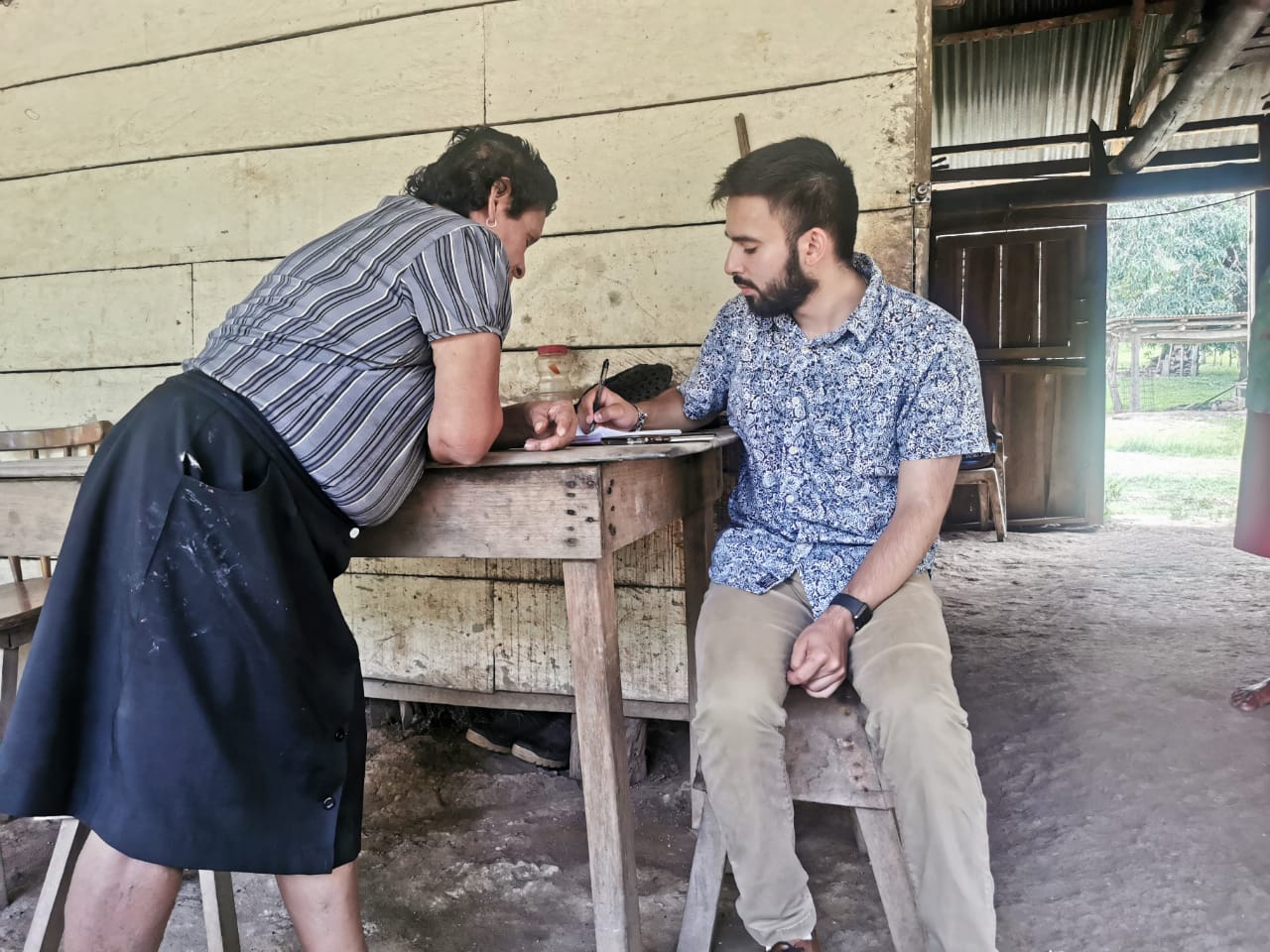
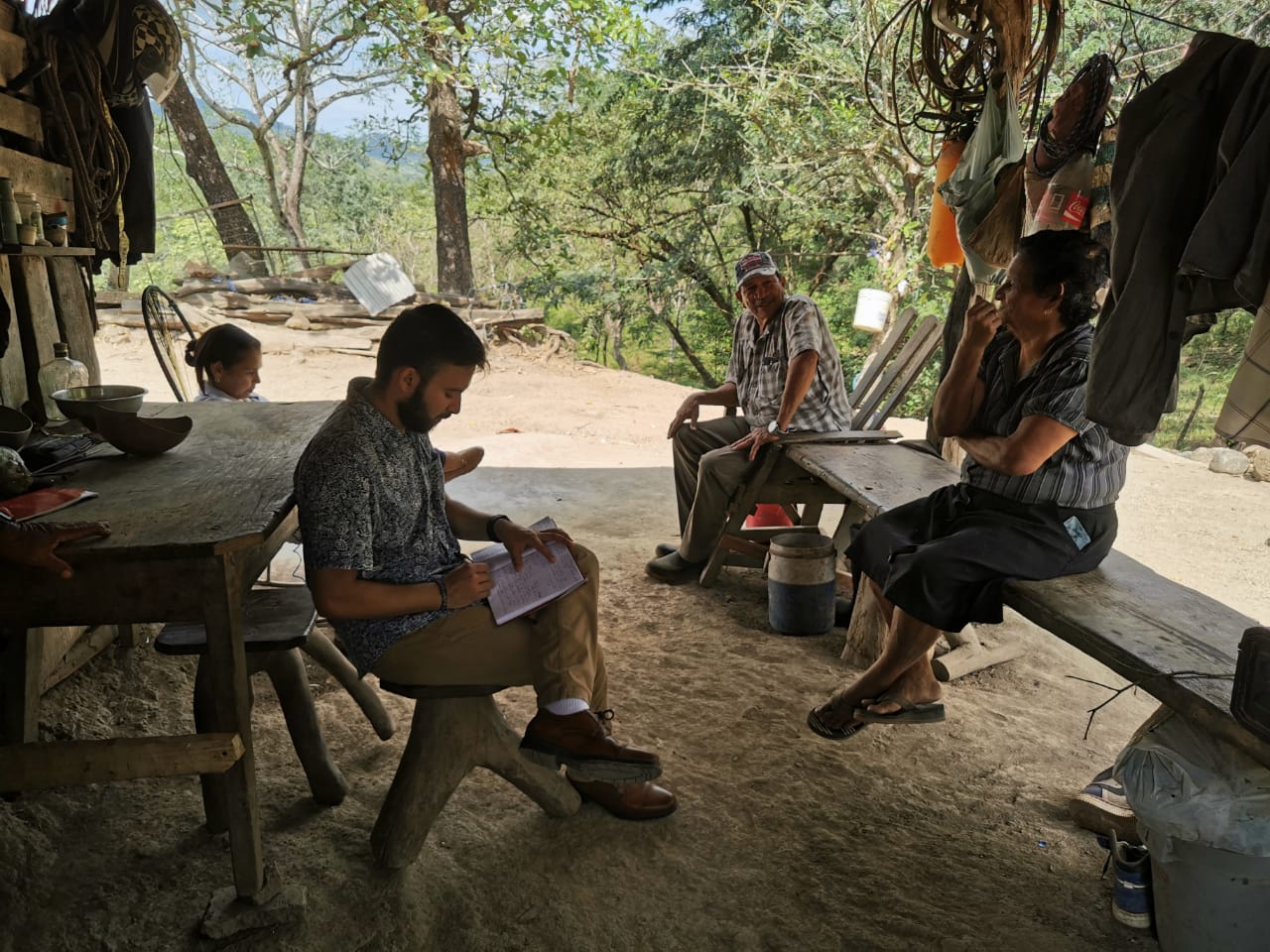
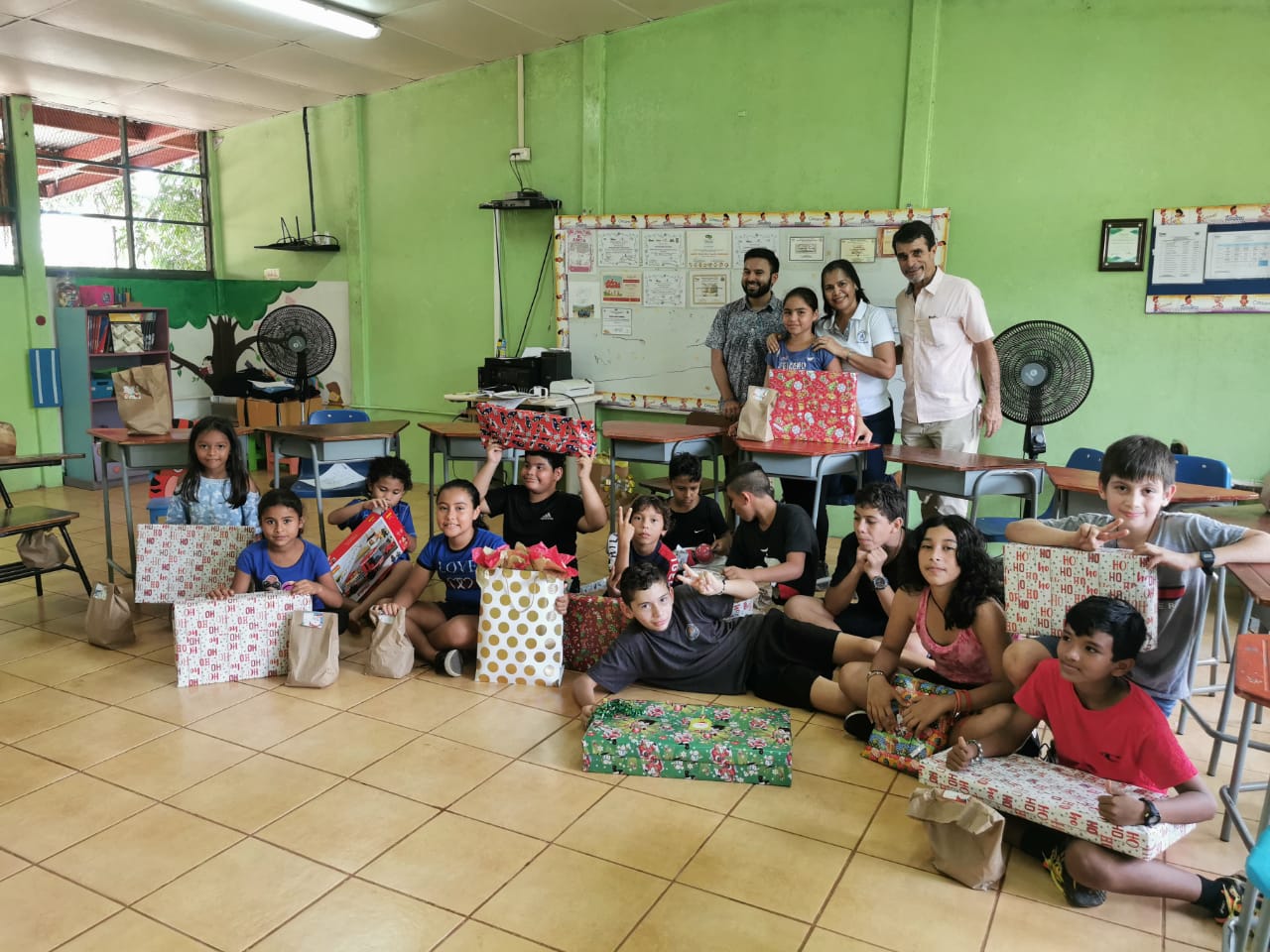
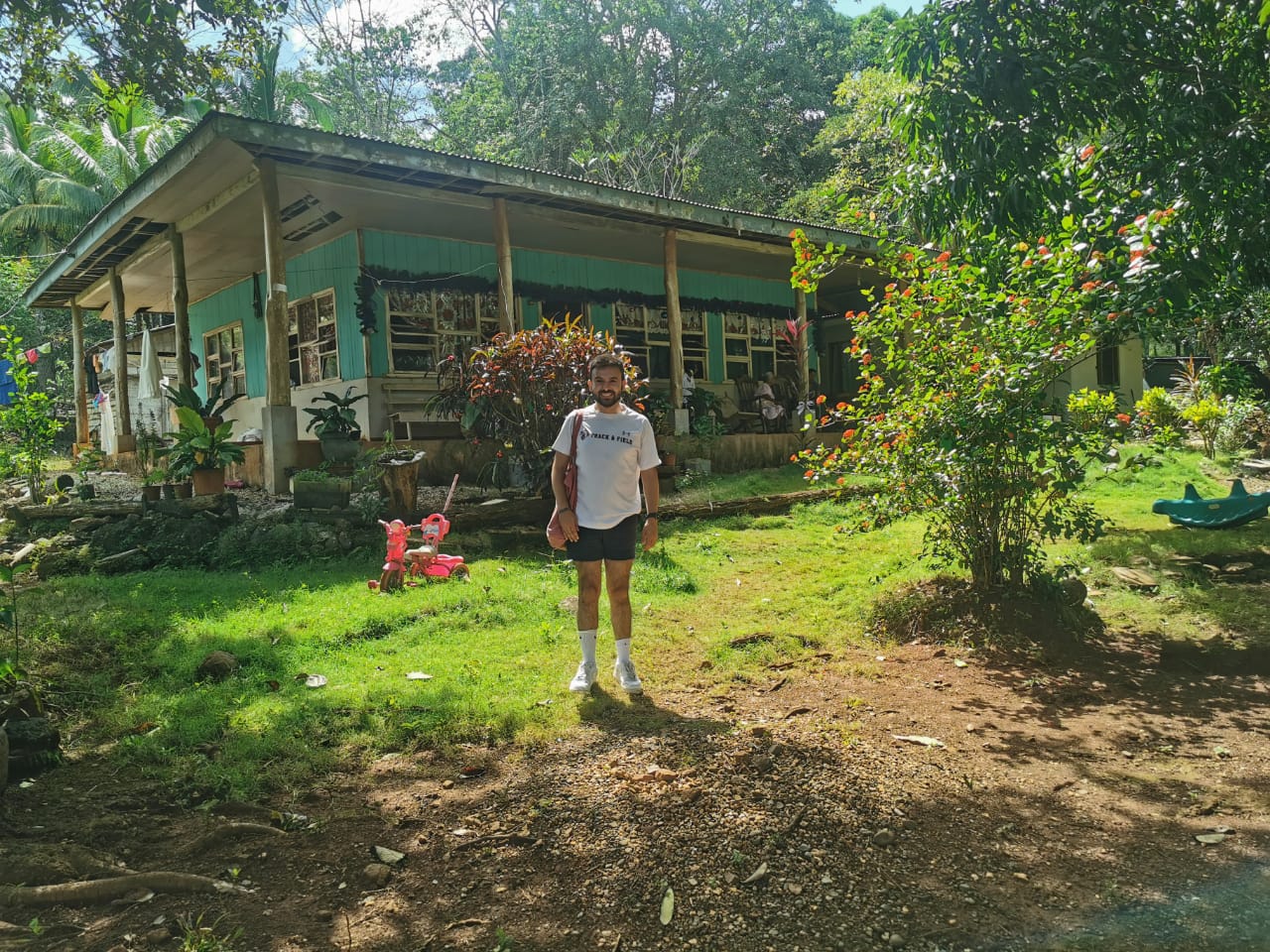
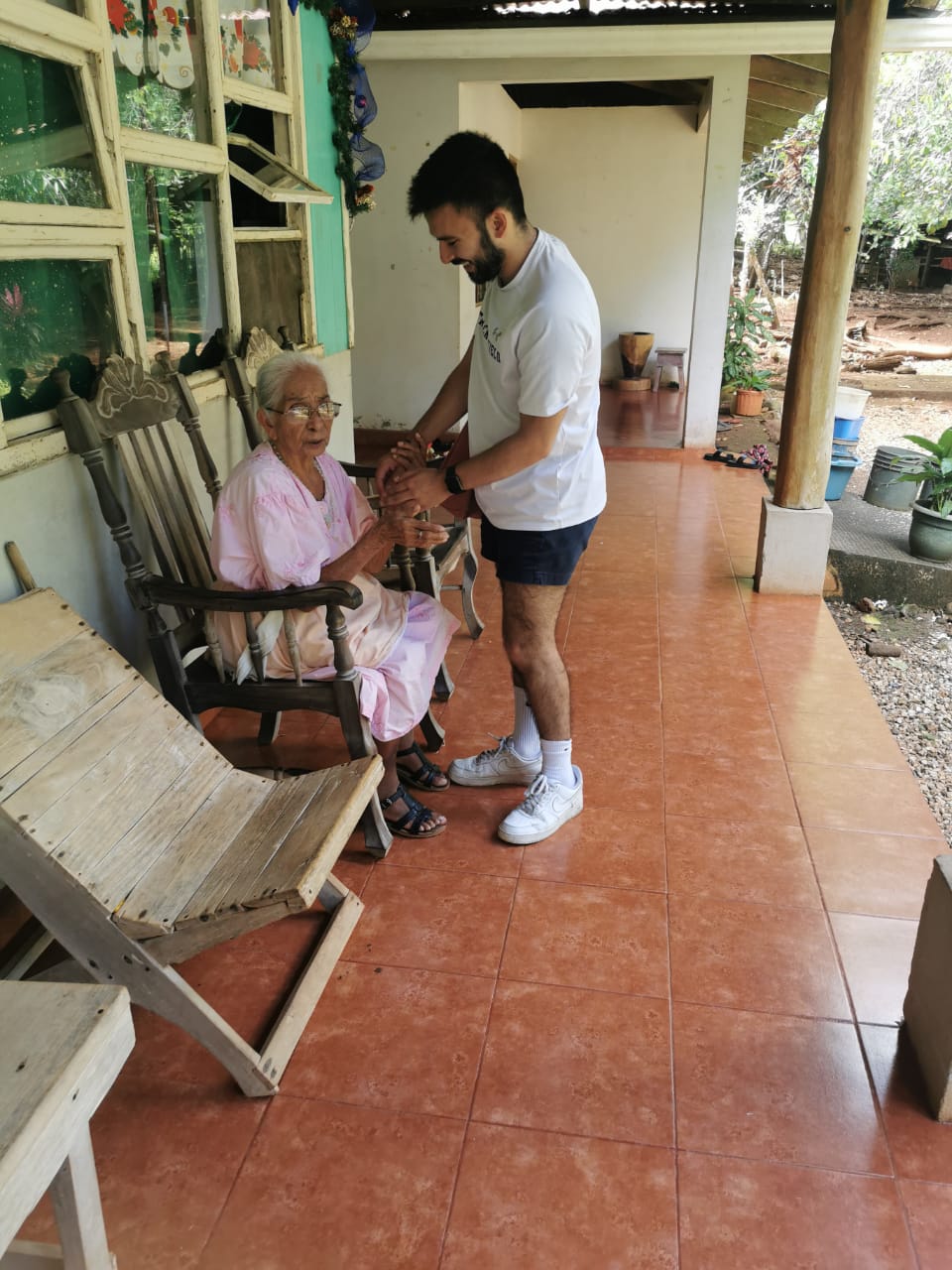
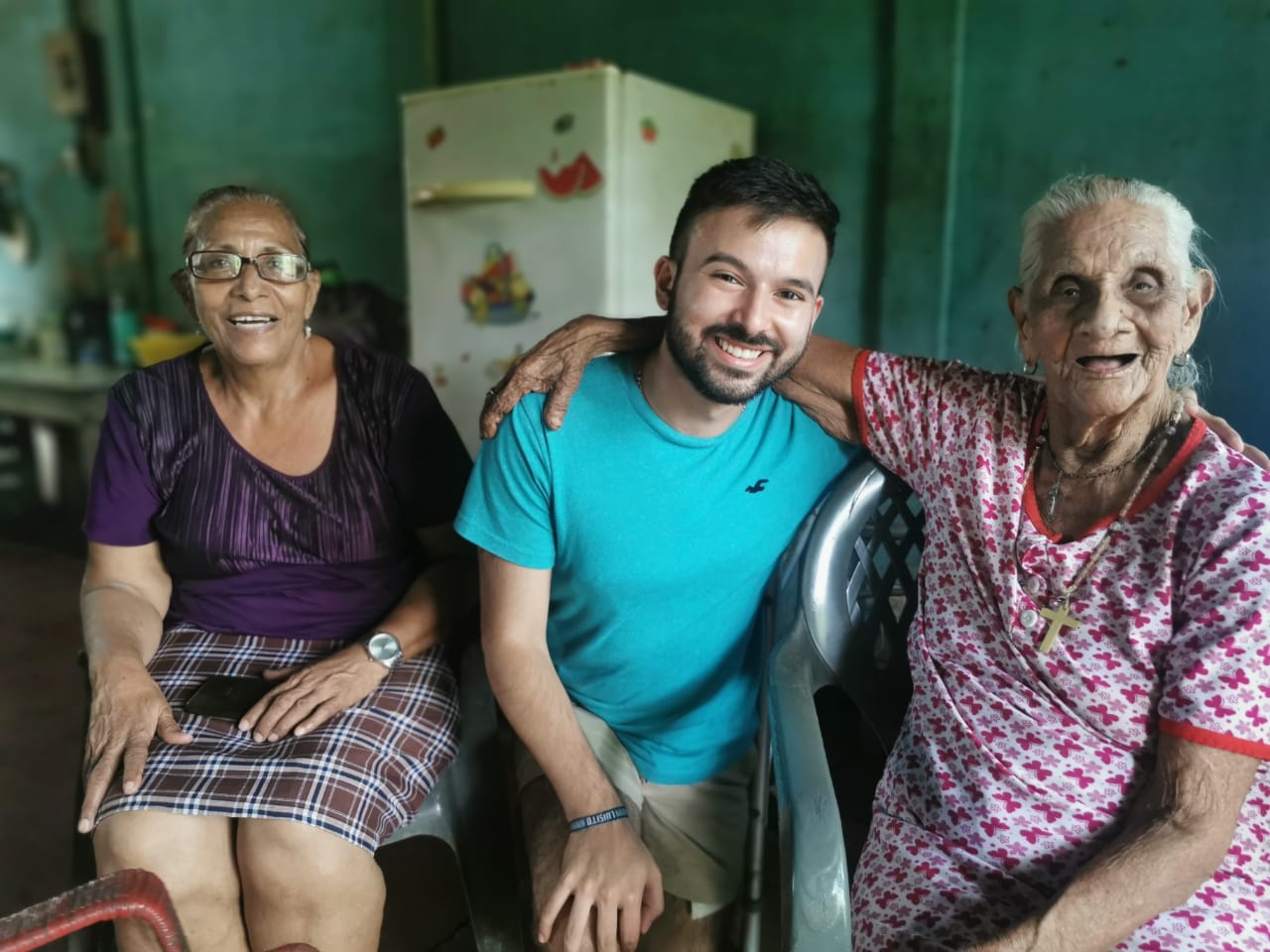
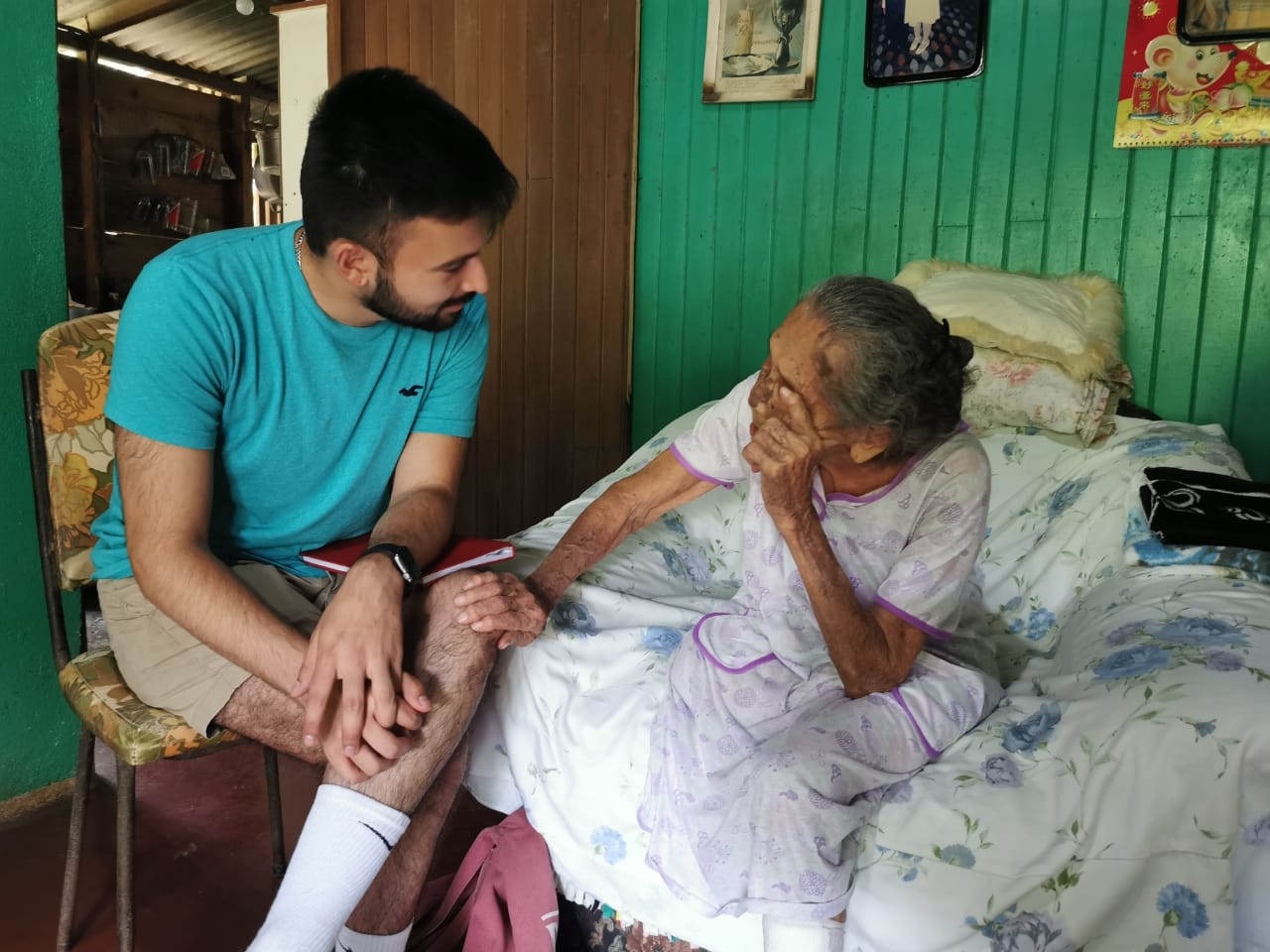
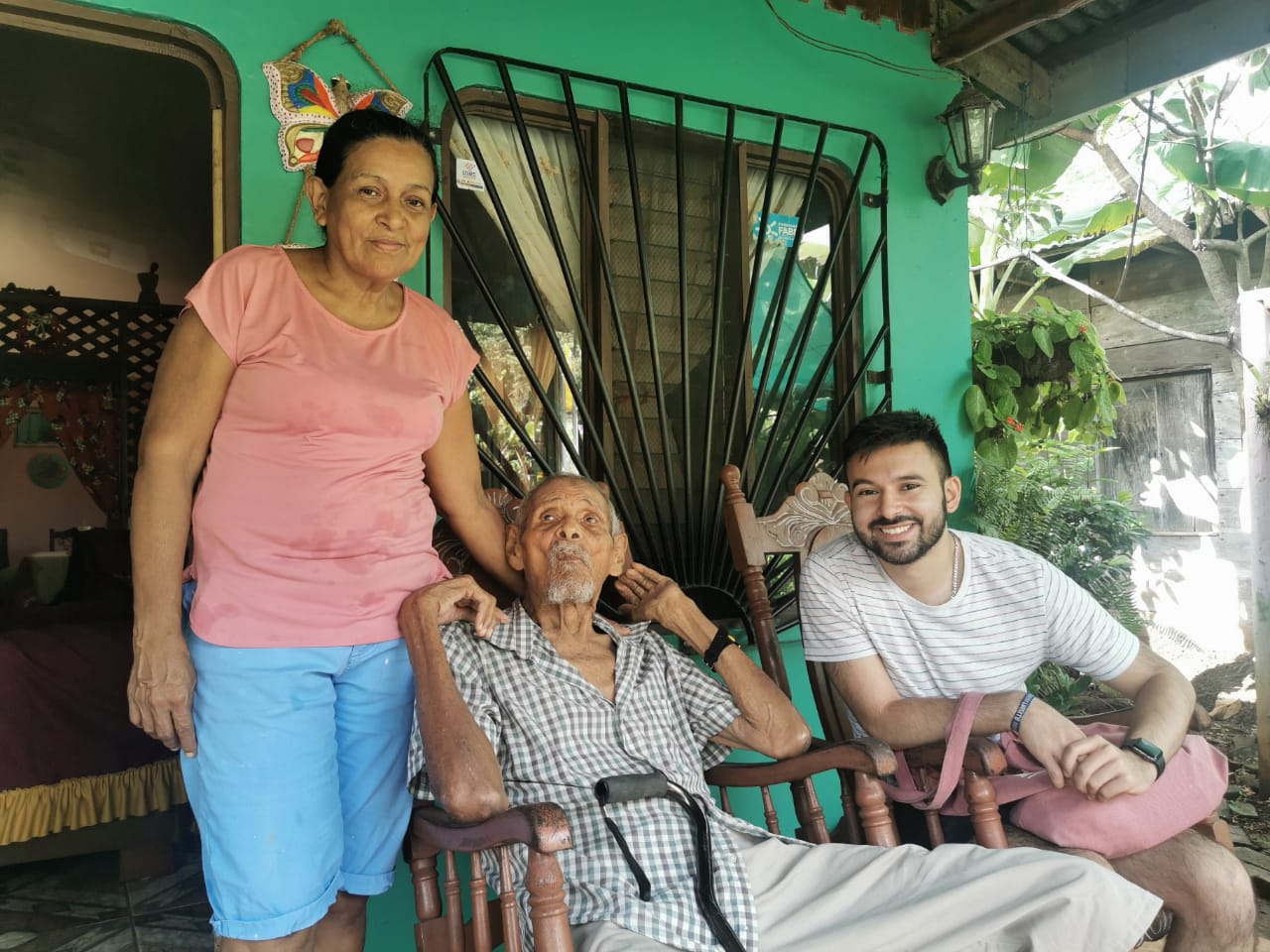
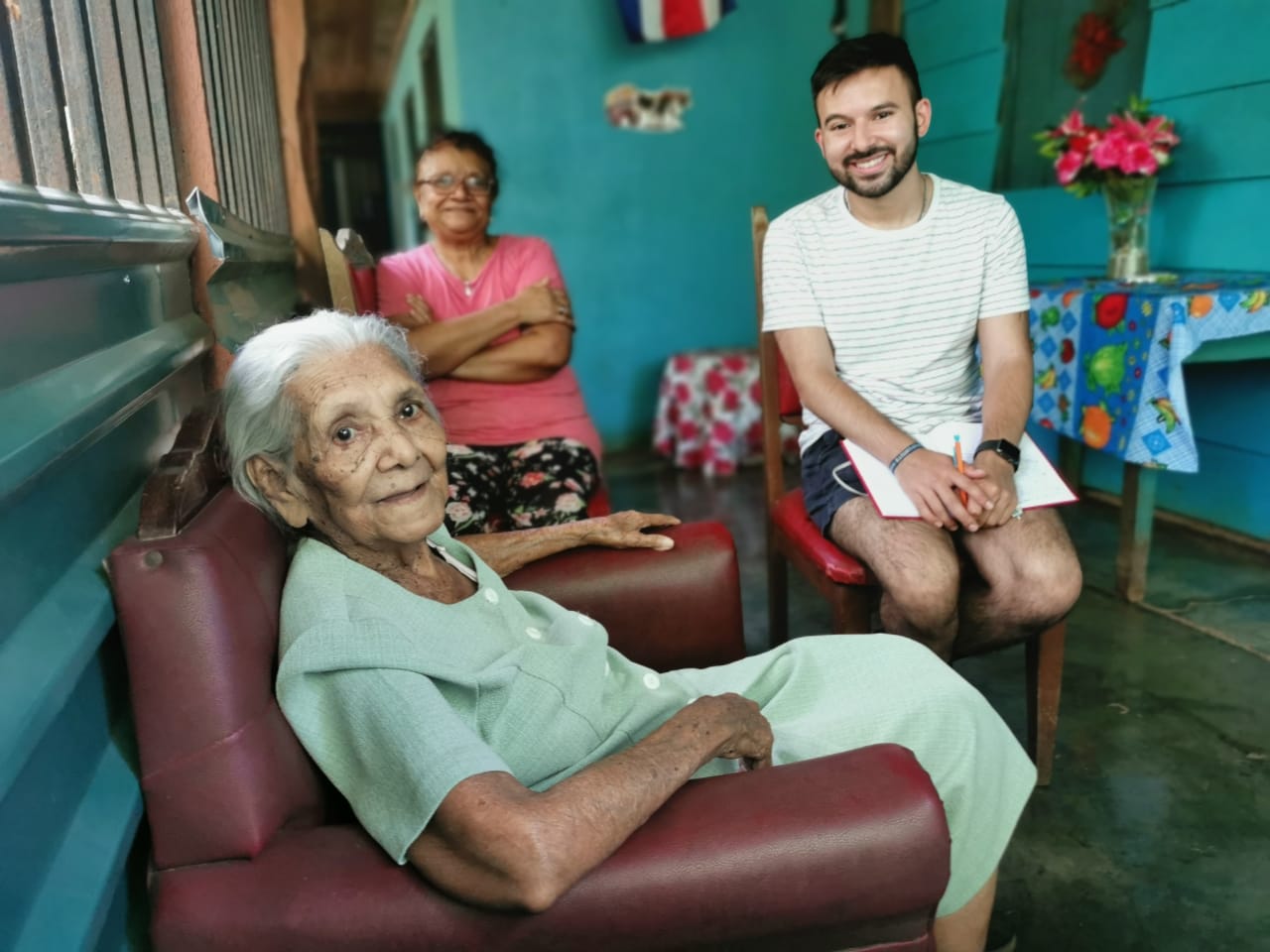
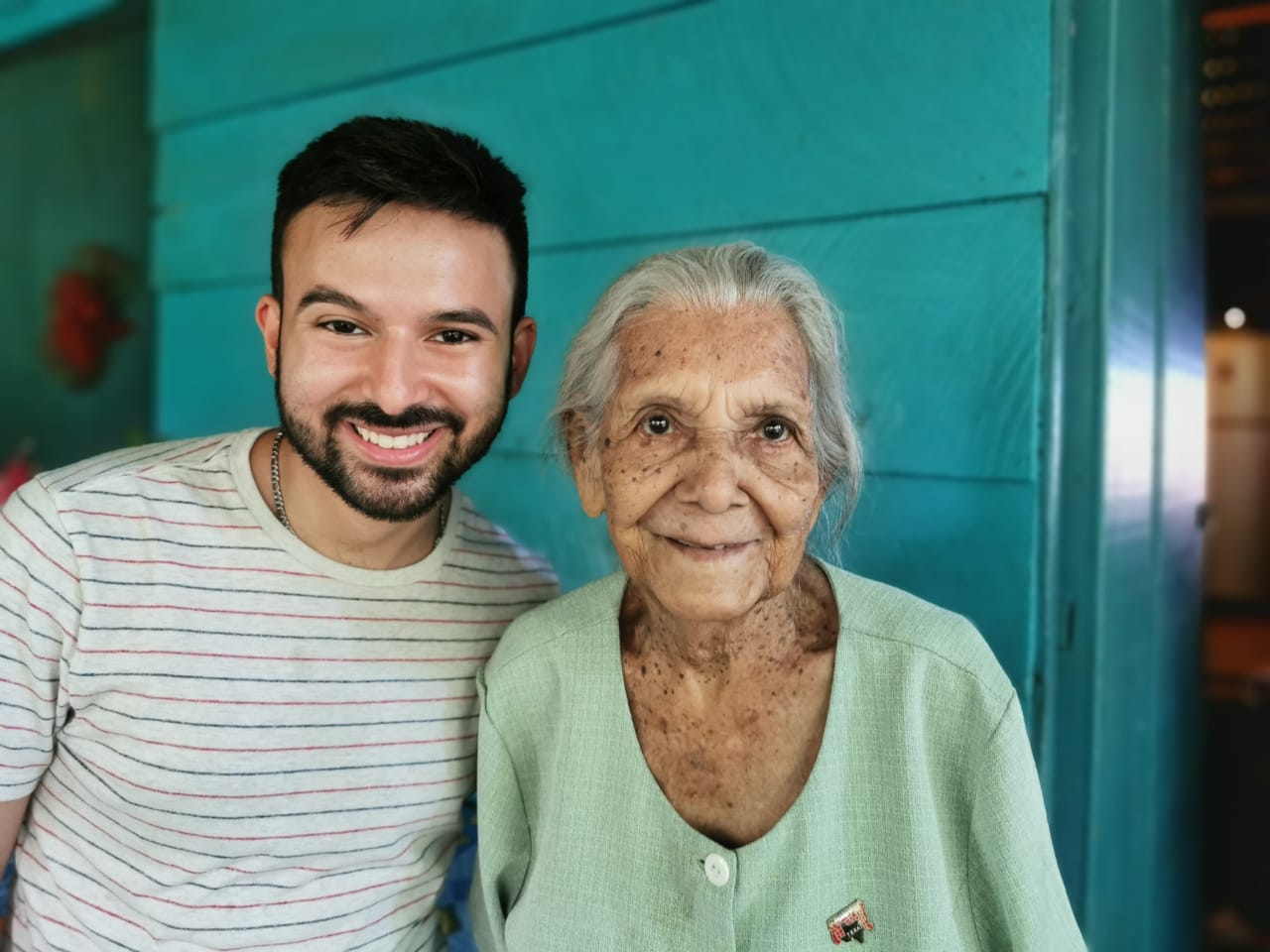
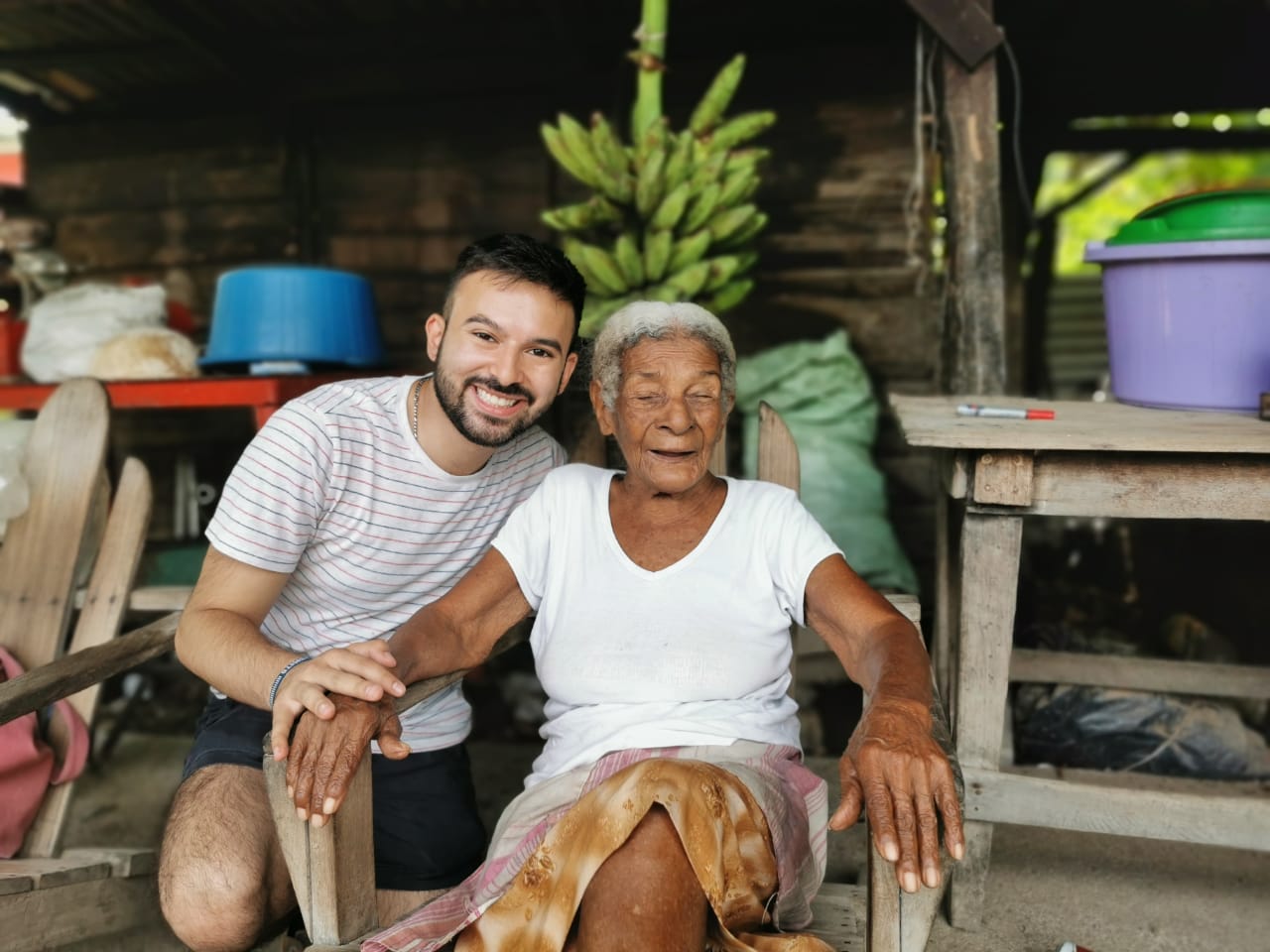
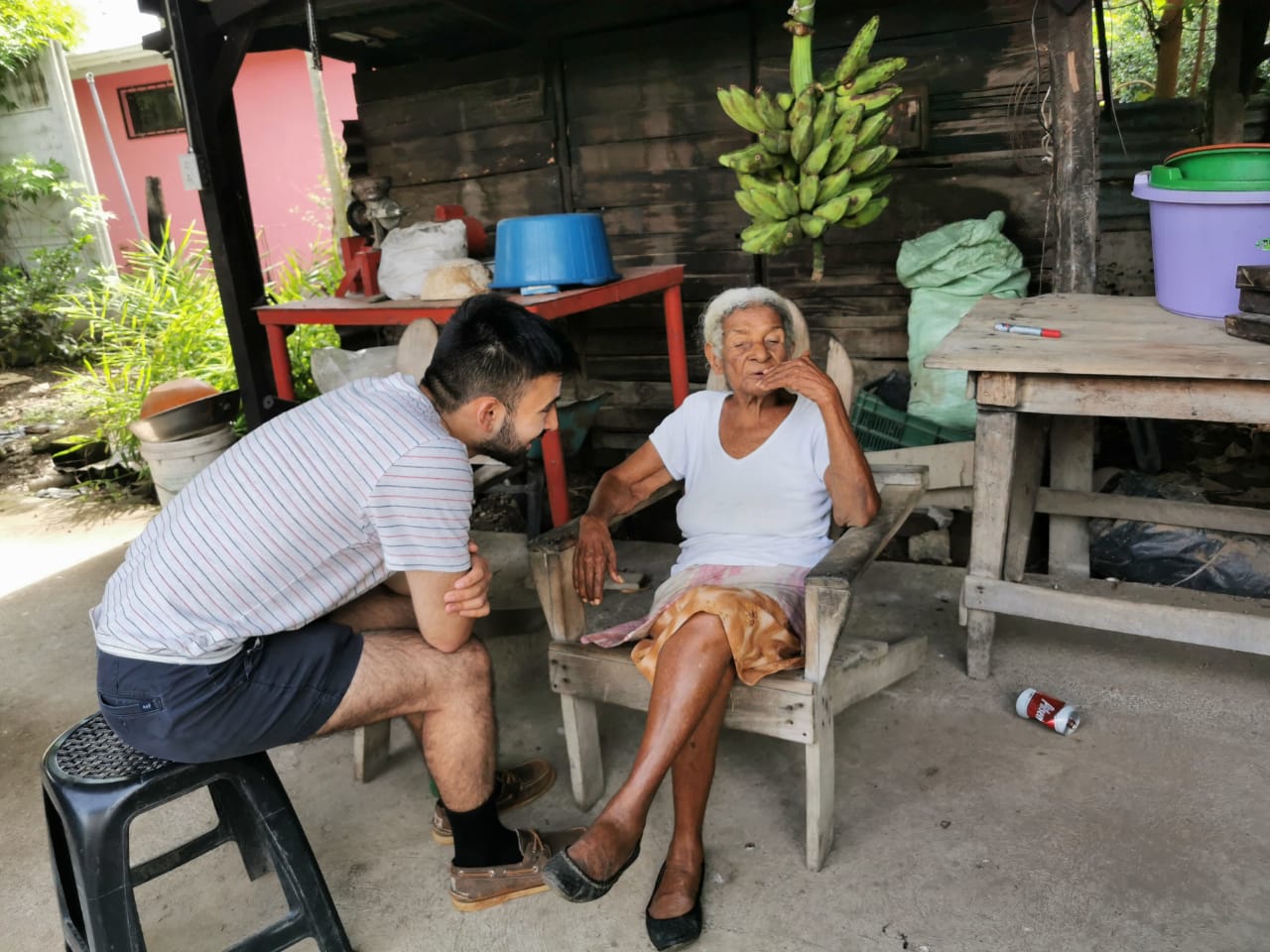
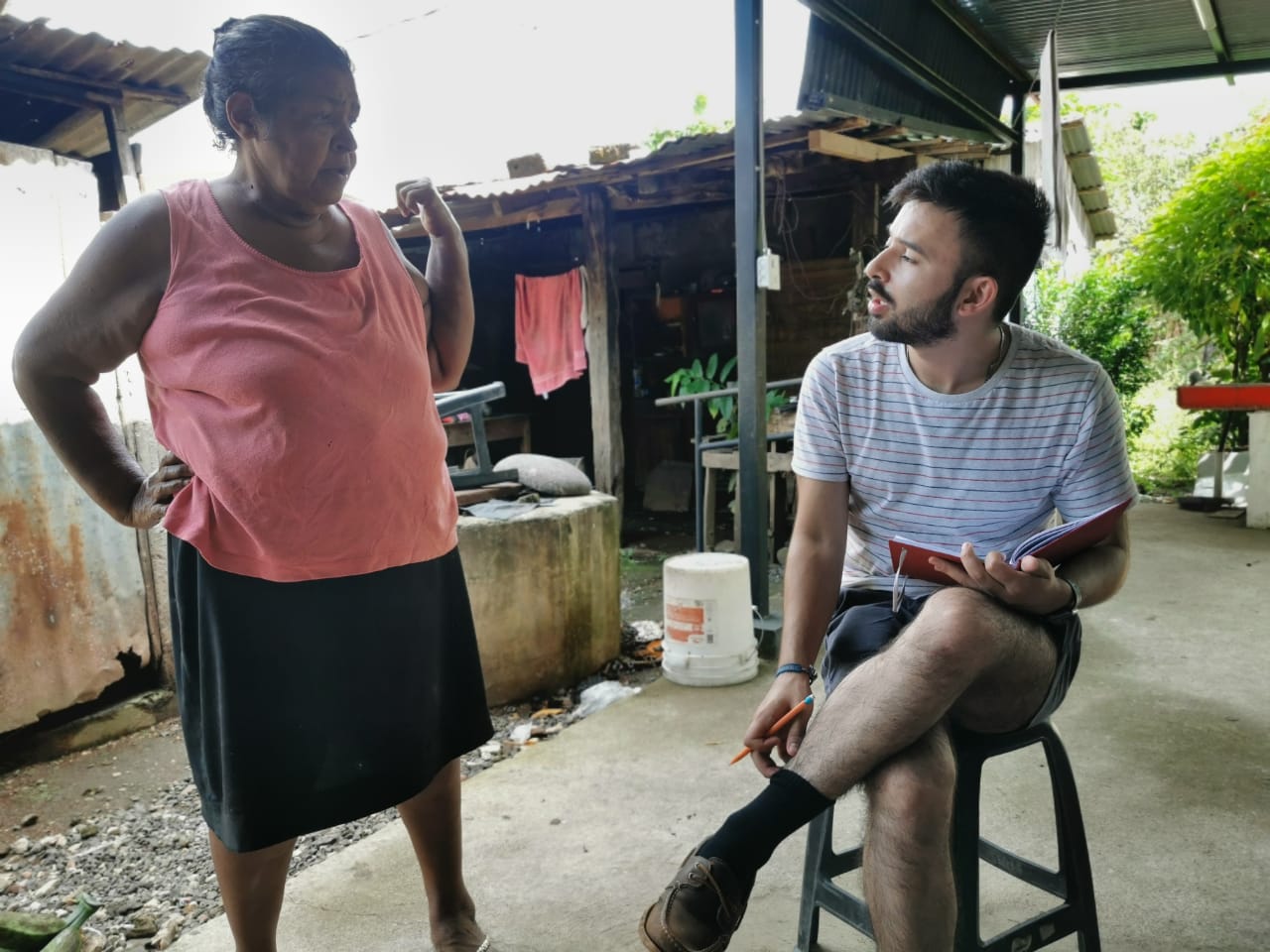
San Jose, CR Reflections
During my time in the capital city, I was able to visit Day Centers & LTCFs. I also did interviews on random people about if they would like to age at home or in a LTCF and they all emphasized the desire to age at home.
Day 1: Asociación de Atención Integral de la Tercera Edad de Alajuela y Albergue
I programmed this visit after hearing about the model they are implementing as I wanted to learn more about how they reimagine this facility on the basis of the individual. I met the director of the facility Dr. Yolanda Benavides Murillo who has background training in gerontology. She is the first administrator to have a background and it was fascinating for me to hear about previous directors with other backgrounds from the staff. It is clear that a gerontological background shifts the way the day center works. During my visit I toured the facility and spoke to several different personnel.
The director and I talked about how we can ensure we are educating younger people as well about how to be more proactive in making health decisions. We talked about the need to develop a program similar to D.A.R.E but for brain health and catered to one’s culture. Additionally, if that program could give tips on caregiving as we might be a caregiver at some point in our lives. I look forward to developing this idea further in the future to ensure we are educating our younger population about their own future and others to start with preventive work.
Additionally, an emphasis was placed on person-centered care and how she is able to accomplish this within the day center by talking to the older adults and bringing them to the table when decisions are made. I was intrigued by this as many times older adults are left out of the decision making table. I appreciated how this facility works as it gives others an idea on how to better improve care outcomes for older adults.
All in all, this day center provides the basis of how we can strive to ensure we deliver more person-centered attention. As well as, how we can provide information for the caregivers’ family. This day center is financed partly by the government, resident’s and the donations. They emphasized how crucial donations are in order to ensure they meet the budget needs of the year.
I also made a visit to the LTCF that has some affiliation with the Day Center. When I visited the LTCF, it had a convenient model where a garden is in the center and the rooms around. I was deeply impressed by how this facility respected people’s ability to bring it decorations and decorate their own space. I think this is very important as some LTCF do not allow for such things to occur. Additionally, they had a small little area to store their clothes due to the space limitations. Nonetheless, this facility provides all the care needs. I was deeply moved when one of the chefs took a person to the hospital for a visit. The entire team is like a family and this creates a more welcoming and collaborative environment.
The team here in the LTCF is unique as they are trained in several areas. For example, the cooks used to be caregivers, but have shifted to the kitchen due to their unique abilities as well to cook. I was amazed by this as it provided another layer of understanding. They both emphasized how they would like to be taken care of at home and it was unique to hear them say how they would not want to get a discount from the facility if in the future they needed to be there. The rationale was that they knew how it operates and knew that a discount would not be beneficial in terms of the operations.
Collectively, this facility reminded me of the importance of having an interdisciplinary team and ensuring everyone is aware of the residents’ needs. They all deserve training, not just the medical profession.
Day 2/3: Centro Diurno El Tejar:
I decided to visit this center after taking a look at their website. I was impressed by two programs they offer such as the Virtual Center and Women Towards Aging section. This center is another Day Center that is funded by the government. I was invited to participate in the Christmas festivities they have programmed for three separate groups of people. I attended two days one where there was people living with dementia and another group with some mobility difficulty. They did this in order to ensure the sufficient amount of volunteers are present to help with the activities.
On the first day of my visit I toured the facility and was impressed that they had an area for dental work. Again, a space for this type of service has come forth as in Argentina. We need to ensure we create meaningful spaces. Additionally, they have separate rooms for different workshops that older persons are able to participate in. I was intrigued how multiple classes are going on concurrently and then older adults switch for another class
I had the opportunity to dance with several older adults and was impressed by how they were teaching me new moves. I am not the best dancer, but they offered to teach me. They were not afraid to ask someone to dance. I absolutely loved dancing with them as at the end we all held hands and it felt like a very powerful experience.
On my second day, I had the opportunity to share a meal with the older adults and be able to ask them questions. It was fascinating to hear them talk about life before and now with the center. A space like this is crucial and important to improving their well-being. The programming is very intentional and benefits older persons.
Overall my time in Costa Rica has shown me the importance of preserving an older person’s autonomy. We must put in the work to hear our elders and ensure they are part of the decision table in order to ensure we are catering to their needs. If you would like to make a donation you can go here to support the work they are doing click here.
Day 4: Residencia Geriátrica Lighthouse:
When I first arrived at this facility, I immediately felt like I was visiting a family member or friend at their home. They have a large home that has been redesigned with several meaningful spaces and ample outdoor space. They again have thought about beyond the resident but also family members for the families to come to join their older adults.
The space had a living room, dining room area, library area, rooms, and outdoor spaces. They also have a swimming pool and are in the process of creating an outdoor space for family events in order to have family members be more willing to come and join. Additionally, family members are able to stay the night with their older adults and bring in furniture from the outside. This is crucial for the family, along with residents, to feel more comfortable bringing memories from home into a new space.
The capacity of this facility is ten residents. I was shocked by this number due to the fact that most facilities had well over ten residents. The reason they want to keep this low number is to be able to provide person-centered care and train carepartners along with other personnel in a small-scale group. I was amazed by the thinking behind it, as the director mentioned how starting small helps build personal relationships that are more resilient. You need to allow the person to develop specific skills with a smaller group and then try it on a bigger group because you are able to teach specific skills to help reduce burnout. In a way, we can start to see how this small scale might be beneficial for other homes.
They also emphasized the ability to reference past experiences of the older adults, such as grabbing fruits from the trees or collecting eggs from the chicken. They have a large green space area and have future plans to continue to diversify the place. I was also surprised to find some people from the USA in the facility. Although language is a barrier, the use of technology allows for them to communicate with one another. In a setting like this, an older adult who is not from Costa Rica is still able to develop a meaningful relationship with the staff through the use of technology.
Additionally, the director of the facility has a background in nursing. We need to ensure that people running these facilities have the proper training. It is clear that administrators who come from different backgrounds tend to focus on other things beyond the budget. We need to ensure that during the formation of these professionals, we figure out ways to include more human-oriented decisions on well-being.
Main Takeaways:
- Centro Diunros should provide family members with information on caretaking and tips for self-care
- LTCFs need outdoor spaces for older persons to interact with such as a garden or benches to sit and reflect
- Provide better resources for caretakers such as educational information, economic support
- We need to think about age friendly spaces as some of the roads at times were not able to be safely walked
- Increase day centers in every small little town in order to help older adults most in need.
- I commend the LTCFs by the government as they offer all the reserves for an older adult with their pension, and the older adult gets 10% of their income. This is the first country that has proposed this idea where an older adult is able to enter an institution based on their needs and use their pension to pay for the LTCF, and the costs are subsidized due to partnerships and government funding.
- We have to create a caregiving course within small towns in the schools of kids to have ample space for training as rural towns have fewer and fewer kids. Therefore, we can convert those spaces.
- Increase internet spaces to communicate amongst one another consistently
- Life in the countryside is vastly different from the city, and we should make sure the services available in the city are also available in small towns.
- LTCFs need to provide options and be intentional with the ratio of nurse to resident.
- We have to partner with universities or other programs to ensure we are able to provide better services such as partnering with a local dentist, occupational therapist etc.
- Some ideas that I had with others was to use the government’s Bono homes that they give to persons who meet certain requirements to construct a house on land that is near a Day Center.
- We have to be intentional with how we are informing older persons to use technology such as Alexa to help with more autonomy.
Video Summary (15 minutes):
